What a Waste: Bunker Rules Outdated
The PGA Championship was an eye opener for more reasons than a 50-year-old’s victory, which was thrilling and gratifying for senior golfers everywhere. But what was more compelling, at least for this senior, was the Ocean Course’s approach to bunker play: Permission to ground your club behind the ball in every bunker, not just waste bunkers, and to take practice swings that, heaven forfend, disturbed a bit of sand. The whole world was watching. Now that is progress!
I am a member at the semi-private Pawleys Plantation Golf Club in Pawleys Island, SC, where the Greens Committee two years ago made an important concession that has enthused members and surprised – pleasantly – our many visiting golfers. Quick aside: Jack Nicklaus designed the course in 1988 and, to be blunt, he was sand crazy at the time. He admitted as much at the club’s 30th Anniversary celebration a couple of years ago and suggested the club spend some money (hint hint, with Nicklaus Design happy to do the work) to eliminate acres of sand. After all, does a bunker at greenside really need to start just 40 yards from the tee box on a par 4 or even 200 yards from it on a par 5? That does not add to the challenge, just to the cost of maintenance.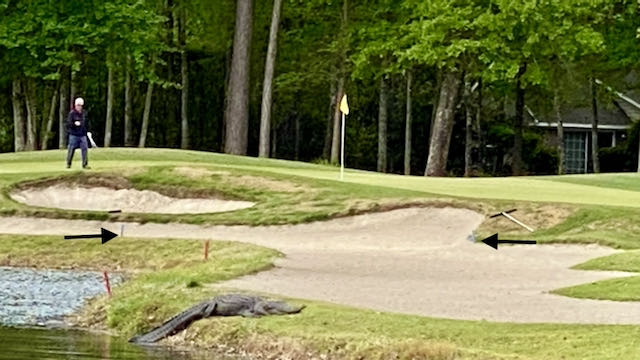
The par 3 3rd hole at Pawleys Plantation, blue stakes at greenside marked with arrows. A line between them marks the boundary between waste bunker (foreground) and standard bunker at the green. (Note: There is a rule for everything in golf, including if your ball comes to rest dangerously close to an alligator. Click here for the rule.)
The concession the Greens Committee made was to designate all bunkers beyond greenside as waste bunkers, therefore permitting the grounding of clubs and practice swings everywhere else. The club defines the boundary between waste and regular (greenside) bunkers with two blue stakes; anything on the green side of the line between the stakes is considered a standard bunker, no grounding permitted; anything beyond is waste.
After watching play at the Ocean Course, my son Tim made a thoughtful argument at GolfPass recently for reforming the bunker rule. You can read his piece here. One thing I would add is that there is nothing more annoying than landing in a footprint in a greenside bunker. My ball always seems to find the heelprint of some heel who doesn’t know how to use a rake. I’d like to see a new rule about that.
 Home On The Course newsletter
Click here to sign up for our Free monthly newsletter, loaded with helpful information and observations about golf communities and their golf courses.
Lessons Learned Playing a Short Course
The last time I played a so-called “executive” golf course before this past Sunday was about 45 years ago with my late father, Ed Gavrich. The course a few miles from his condo was named “Sabal” something or other in honor of Florida’s state (palm) tree, and it was typical of Florida courses built specifically for old codgers like my dad, who was around 65 at the time. (I am an even older codger as I write this.) Sabal Something was short – under 4,000 yards total – and scraggly. The bunkers, as I recall, were more like worn-out grass patches with sandy soil, the fairway turf was essentially broadleaf grass, what some would call “weeds,” and the greens were, generously put, “puttable.”
A former stickball player in his native Bronx, NY, my dad’s swing path that day was as outside-in as the human body is capable of producing, almost like the swing cricket players make. He seemed to be aiming for the top of a Bronx apartment building. Every shot – and I do mean virtually every shot – was a high slice or “dying quail.” He saluted all my good shots but I felt guilty watching him struggle. For that reason, and especially the condition of the golf course, I did not enjoy the round and formed an unfair bias against shorter “executive” courses.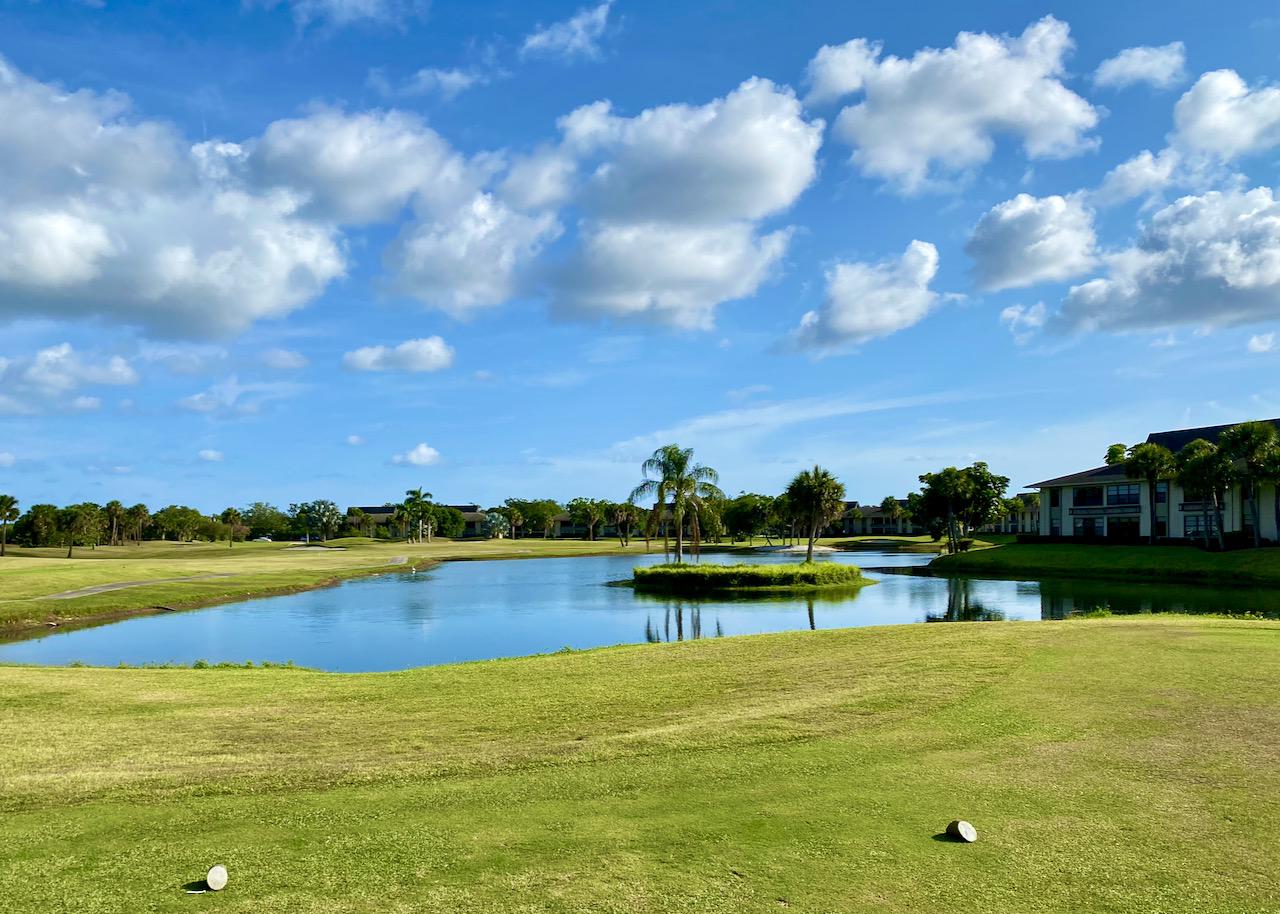 With water very much in play, the first shot at Vista Plantation provides a taste of many of the rest of the 18 holes. The green on the dogleg right hole is way in the back right.
This past Sunday I thought about that day in Florida when my own son, Tim, suggested we compete in a local every-week event at Vista Plantation Golf Club 15 minutes from his home in Vero Beach. The pro at Vista sponsors the event in which you play as an individual against a “quota” you are assigned based on your handicap. A bogey is worth a point, a par two points, a birdie four and an eagle six. There are also four closest-to-the-pin awards. Based on all the scores and the size of the pot -- $45 per player covers green fees and buy-in – the pay off at the end on this day was $10 per point; the big winner passed his quota by 10 points and earned $100 in cash. My son, who plays to a scratch handicap, was just a point over his quota and earned $10.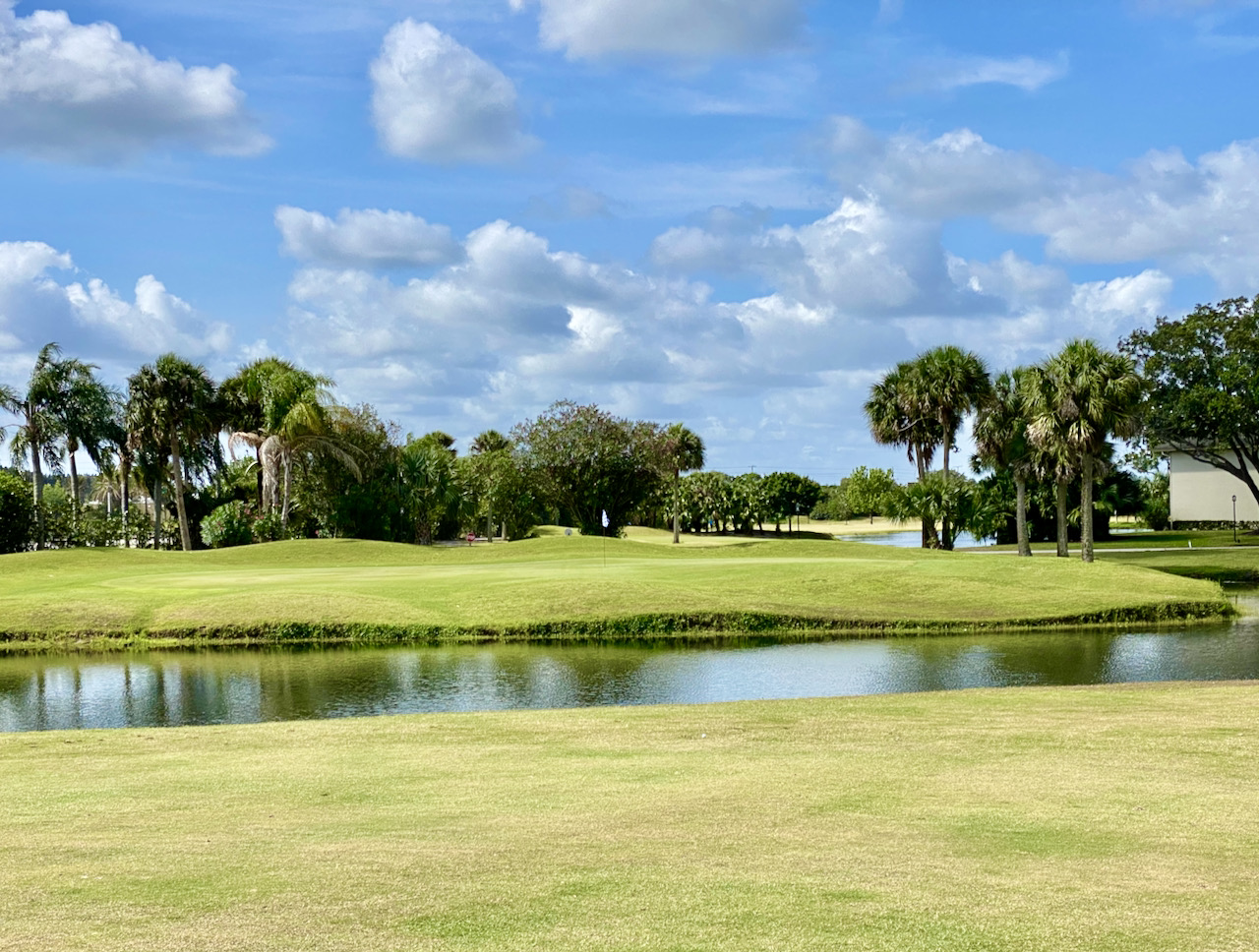 Even short courses can provide some daunting short approaches, as at Vista Plantation's 277 yard par 4 5th hole.
I won nothing, but the experience wiped away my bad feelings toward executive courses. (This one, by the way, played to just 3,448 yards at a par 62 – all par 3s and 4s.) The course was in fair shape and the greens were still showing aeration marks that affected roll. Forgetting the iffy conditions, any golf course you play for the first time is tricky, no matter how short it is. I was playing pretty well until #4, a modest 234-yard par 4 with trees on the left and water in driver range encroaching on the fairway on the right. All I needed was a 150-yard placement down the middle but when I slow down my swing to hit a “safe” shot, I tend to pull to the left…which I did, my ball coming to rest in sandy soil between trees, necessitating a punch out to the fairway. But then I overcooked my wedge beyond the green, pitched on and two-putted for a no-point six. That was pretty much the story of the rest of the round.
I admit I disrespected the golf course before I even walked to the first tee, thinking the distances were in my wheelhouse. The next time I have occasion to play such a short course I will have an attitude adjustment, mindful that any time a clubhead meets a golf ball, anything can happen – and that even a short layout can be long on lessons.
Move Up at Least One Tee Box: You Could Love It
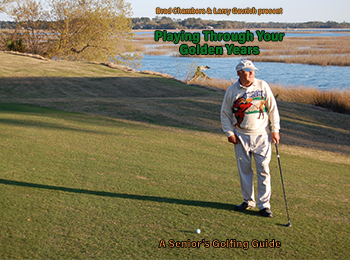
My favorite chapter in the new book, Playing Through Your Golden Years: A Senior’s Golfing Guide, co-authored by me and fellow senior-golf blogger Brad Chambers, is the one called “The Right Tees – for You.” No, it isn’t about wood vs plastic, or Martini tee vs. regular. This is about tee boxes and following our straightforward guidance could change your enjoyment level dramatically.
I don’t find it helpful to compare my mundane golf game to those of professionals; the pros live on a different planet when it comes to golf. But their game provides concrete evidence to many of us that we are playing from the wrong tee boxes – in some cases, for too many years. Here’s why, and it is pretty simple.
They drive the ball 100+ yards farther than most senior golfers do. For them, a typical 460-yard par 4 leaves them with less than 160 yards to the green, a typical 8-iron shot for them. I am a 10-handicapper and hit the ball a maximum of 210 yards off the tee. A 460-yard hole is a par 5 for me. A 360-yard hole with a good drive leaves me a 5-hybrid shot to the green; extend that hole to 400 yards, as is the case from a fair number of holes from typical “men’s” tees, and I have to pull out the fairway metal.
“Where’s the fun in that?” asks former PGA Tour player Ken Green in our new book. “I still want to shoot under par, so I go to the tee where I can shoot a few under par. Why would you want to beat yourself up playing tees where you can’t even come close to shooting what you used to shoot?”
For the last few weeks, I have been having a lot of “fun” playing from the white (Egret) tees – total yardage 5,570 – at the challenging Jack Nicklaus designed Pawleys Plantation club in Pawleys Island, SC. Loaded with sand and water and pin positions tucked behind bunkers, Pawleys may have one of the biggest spreads anywhere between course rating and slope rating. From the white tees, the course rating is a modest 69.1 but the slope is 130, a fairly hefty number and reflective of how difficult the course plays for a player with an 18 handicap (i.e. a bogey player). When the wind blows, which it often does on a course less than a mile from the ocean, you can add 20% to those numbers.
I have had a few good rounds the last three weeks playing the Egret tees at Pawleys, but I also barely broke 90 on a couple of occasions. And even during the good rounds, my 8-irons into par 4 greens were few and far between; I played just as many hybrids and fairway metals into the par 4s. Therefore, for kicks, I decided to move up another set of tees at Pawleys, to what they call the “Yellow Finch” tees at an overly modest 4,985 yards. I played just the front nine, the tougher of the nines at Pawleys; the experiment was revealing.
First of all, shortening some of the holes did not remove the degree of difficulty on half the holes. Right off the back, I found the drive on the par 5 #1, only 395 from the Finch tees, to be awkward in the extreme. The tee was tucked on the far right side, even with the right edge of the fairway and forced a play straight at the woods on the left; I tried to fade my drive but hit it straight and was lucky to have a play from the rough just short of the trees.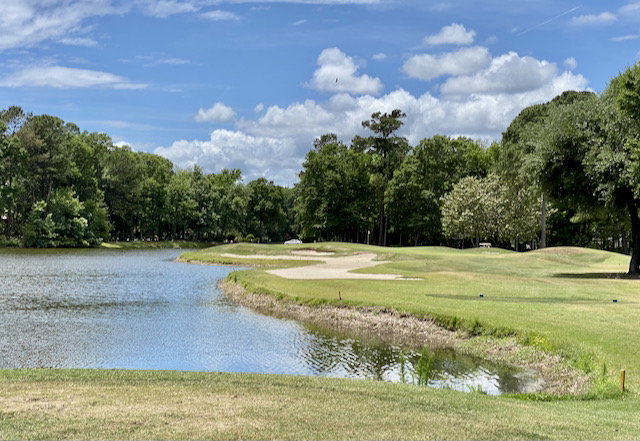
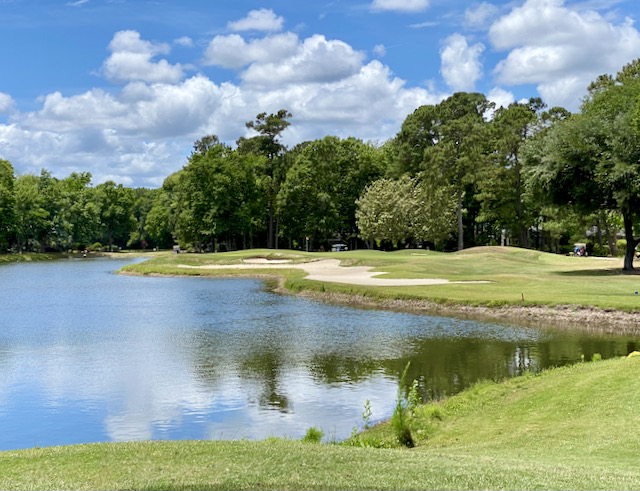 Bunkers and water to the left of the #3 green at Pawleys Plantation come into play from the white tees (top photo). From the yellow tees (bottom), the length of the green is open for the 113 yard shot.
The shorter tees on the next three holes made for easier approaches. The #2 hole is the #1 handicap hole, a brutishly long par 4 from the back tees with a severe falloff left of the fairway that can pull a hooked tee ball into the woods; but from the Yellow Finch tees, it was a pussycat -- comparatively. (The green is still difficult, tilted from back to front.) The tee box on #3 shortened the hole by 18 yards compared with the Egret tees and provided an angle from 126 yards that took the large pond and bunkers out of play. On #4, a shortish par 5 to begin with, the 408 yards from the Finch tees made going for the front pin position a possibility after a good drive. I skulled my 5 wood from a downhill fairway drive and still had just 75 yards to the pin.
The much shorter 5th hole, a par 4 reduced from 326 (white tees) to just 279 was a head scratcher. Yes, it took out of play the tall Nicklaus tree that guards the left side of the fairway, but it brought into play the pond in front of the green, just about 200 yards from the Finch tee box. I laid up with a five wood but on the dried-out fairway the ball rolled to 10 yards from the water. Scary. The 6th hole tee box, at 49 yards beyond the yellow tees, was a big assist but still left me with a 6-iron approach into the wind. And on the short par 3 7th hole, whose narrow green runs front to back about 35 yards, the front pin position was just 99 yards from the yellow tee box. With sand directly in front of the pin, I took an extra club into the wind and wound up 50 feet beyond the pin.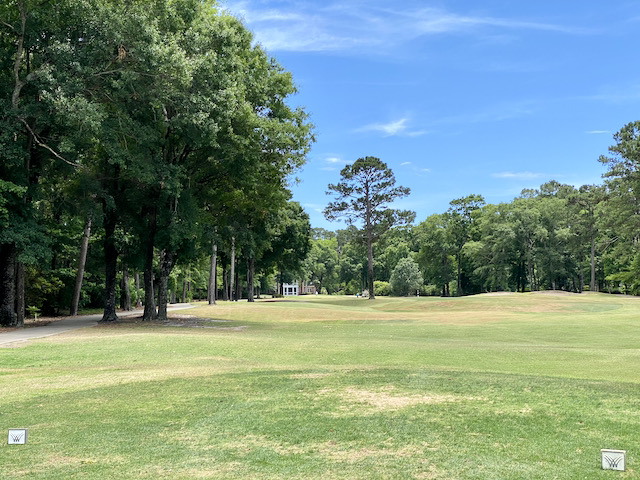
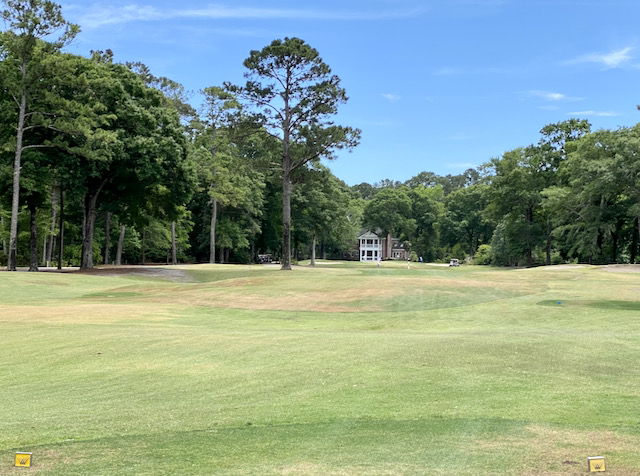 From the white tees on #5, a tall tree blocks the view of the green and forces a tee shot down the right side of the fairway. From the yellow tees (bottom), the drive is unimpeded, but the pond in front of the green forces a layup,
The 8th hole, in my opinion, is the most difficult par 4 on the course under most conditions, including the prevailing winds that make the course more challenging than its ratings on most days. On #8, the 58-yard closer tees brought into play the huge bunker that runs from just beyond the 150 pole to the front of the wide green. The distance called for yet another layup shot with a fairway metal, in my case a 3-wood because the wind was blowing pretty hard.
From the white tees on the 9th hole (at 341 yards), you have an option of trying to hit your drive over or under the tall, sprawling live oak tree at dead center of the fairway, about 180 yards out. From the 315-yard yellow tees, the tree seemed more imposing but, hey, this was an experiment, and I decided to tee my ball up slightly and go with the driver. With a little assist from the wind – in this case into my face – the ball floated up and over the tree, but wound up just 190 yards out, leaving me 120 yards dead into the wind. I hit the green and two putted for an end-of-experiment par.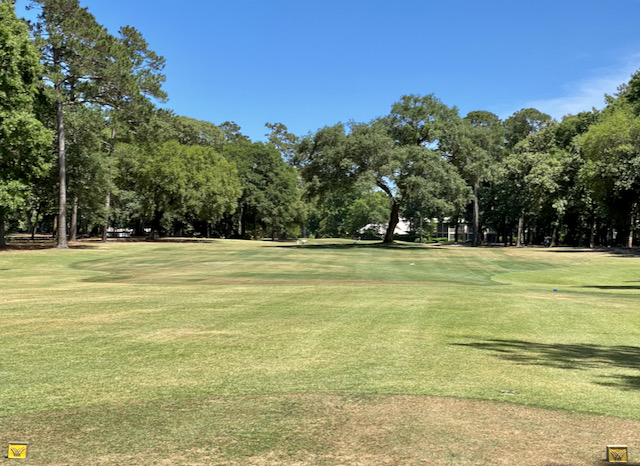 Jack Nicklaus circa 1988 liked to place trees in landing areas of par 4s, forcing the golfer to go around, through or, in the case of #9 at Pawleys Plantation, over. From the short tees, that is easier said than done.
A few conclusions: The course was significantly different from 308 yards closer to the greens. On straightforward drives with open fairways, the benefits were straightforward; two to three clubs less on approach shots. Both par 5s were reachable after decent drives. But because of the placement of some of the shorter tee boxes, the angles were new to me, and a bit daunting. My final score of 42 was pretty much on average but I felt that if I had putted better, I would have broken 40 easily.
The biggest advantages to playing the shorter course were the shorter approach shots to the par 4 greens, in most cases with anywhere from the 6-iron to an 8-iron. Just like the pros. I plan to try the Yellow Finches again.
For more insights like this, especially if you are a senior golfer, consider Playing Through Your Golden Years: A Senior’s Golfing Guide, just $3.99 for the Kindle version at Amazon.com.
A Bit of Creativity Goes a Long Way for Golf Travelers
It has been three years since I last played golf in Scotland. Life and a global pandemic have intruded on my planned annual excursions to the Crail Golfing Society and its 36 holes of seaside golf just a couple of miles from the most charming seacoast town in the world (IMHO). But now with overseas travel looking good for next year, I am planning a May 2022 trip for a friend and me to Edinburgh and Crail. I haven’t been this excited about golf since Tony Lema won 1964 Open Championship.
My co-author Brad Chambers and I devote a chapter to golf travel for seniors in our new book, Playing Through Your Golden Years: A Senior’s Golfing Guide. Although we don’t show a preference for do-it-yourself planning or hiring professionals to help plan an overseas golf vacation – the latter costs more, the former is arguably more fun – we do emphasize the benefits of improvising. Here is my own experience in Scotland from a few years ago, excerpted from the book:
From personal experience, I can testify that you will benefit if you “customize” your golf trip to suit your and your partners’ tastes. Look for a unique approach to your trip, or at least part of it. I did that on my last trip to Scotland three years ago when I spent my first four days in Edinburgh. I checked into a hotel about a five-minute walk from the city’s main train station, Waverley. I had planned to play my first round at the famed North Berwick, about a 25-minute train ride from Edinburgh, and I did not want to rent a car and drive on the “wrong” side of city streets. On the morning of my round, I slung my clubs on my shoulder just outside the hotel and walked to the train station. (No one even glanced at me as I walked the city streets with a golf bag; after all, it’s Scotland.)
When the train arrived at North Berwick station, I walked 10 minutes to the golf course, mostly downhill, and had a magical round — even with the wind blowing at about 40 mph. The next day I repeated the process, although this time I took the train to Dunbar, about a 20-minute ride from Edinburgh, and arranged for a taxi to take me to Dunbar Golf Club just five minutes away. I can’t begin to tell you how “indigenous” I felt taking a train to play golf in Scotland. It was definitely a highlight of my 60 years of golf.
Playing Through Your Golden Years: A Senior’s Golfing Guide is available in ePub format at Amazon.com for just $3.99. Brad Chambers, who maintains the blog site ShootingYourAge.com, is the author of Think Better, Play Smarter and Manage Your Way to Better Golf Scores. My own first book is Glorious Back Nine: How to Find Your Dream Golf Home. These books are also available at Amazon in both paperback and electronic versions.
Click the "Read More" button for some photos of Crail's two courses.
New Golf Book Explores Joys of Playing Through the Golden Years
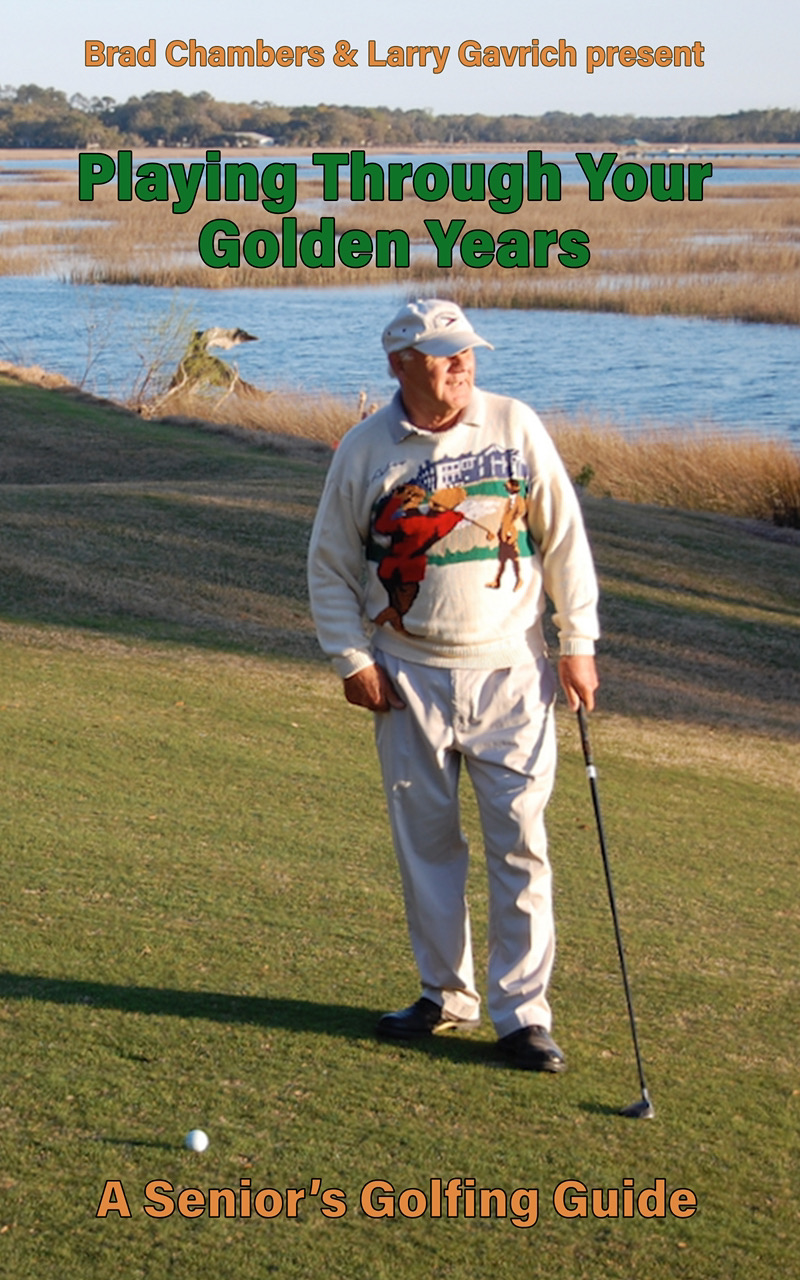
When a pandemic gives you lemons, at least try to make lemonade. That is what Brad Chambers and I have done, the lemonade being a new book for senior golfers who want to play their best and have a lot of fun doing it. The book, published first in an Amazon Kindle version, is called “Playing Through Your Golden Years: A Senior’s Golfing Guide,” and it covers the wide range of topics uniquely relevant to golfers over the age of 60 (with some helpful hints as well for those not quite there yet).
Brad is the author of “Think Better, Play Smarter and Manage Your Way to Better Golf Scores” and publisher of the blog site ShootingYourAge.com. My first book, published in late 2020, is “Glorious Back Nine: How to Find Your Dream Golf Home.” Both are available for purchase at Amazon.com in paperback and ePub versions.
Here is what senior golfers have said about “Playing Through Your Golden Years”:
You guys have nailed it! No heavy lifting, no sweaty gym sessions, no expensive training aids required. And, refreshingly, you understand and include women in your model. While you pitch to Boomers, your advice and guidance will work just as well for those of us in the Silent Generation who want to enjoy the game right up to our last breath, hopefully on the 18th hole -- with the ball in the cup! – Beth Bethel, former editor of Foregals website.
Playing Through Your Golden Years provides all the options senior golfers need to play their best golf and have a helluva lot of fun doing it. -- Ken Green, former PGA Tour player and Ryder Cup participant.
This book…not only discusses golf courses, clubs, culture and climate but also the aspects of living, such as consideration of social interaction, future medical needs and to be mindful…that we must be prepared for the unexpected in order to enjoy our futures with confidence. – William Watson, MD, resident of Haig Point, Daufuskie Island, SC
“Playing Through Your Golden Years” is now available on pre-order at Amazon.com for just $3.99, about one-third the cost of a premium sleeve of golf balls (which you will eventually lose or wear out anyway). The book’s official publication date is May 15, and anyone who pre-orders it will receive the Amazon Kindle version on that date. (Note: The Kindle app can be downloaded for free and provides a few nice reader options on size of typeface and other extras.)
Order your copy today at Amazon.com. Other electronic versions of the book will be available at BarnesandNoble.com and Apple Books online later this month.
A Restorative 19th Hole in Myrtle Beach area
Many golf communities not close to an urban area offer plenty in the way of golf and other recreation but often little in the way of cultural stimulation. Sure, Netflix and other streaming services, as well as the dozens of cable TV stations available, are a fine substitute for a lack of movie theaters, but for the most part, you won’t find museums or universities to feed your head before, after or between rounds of golf.
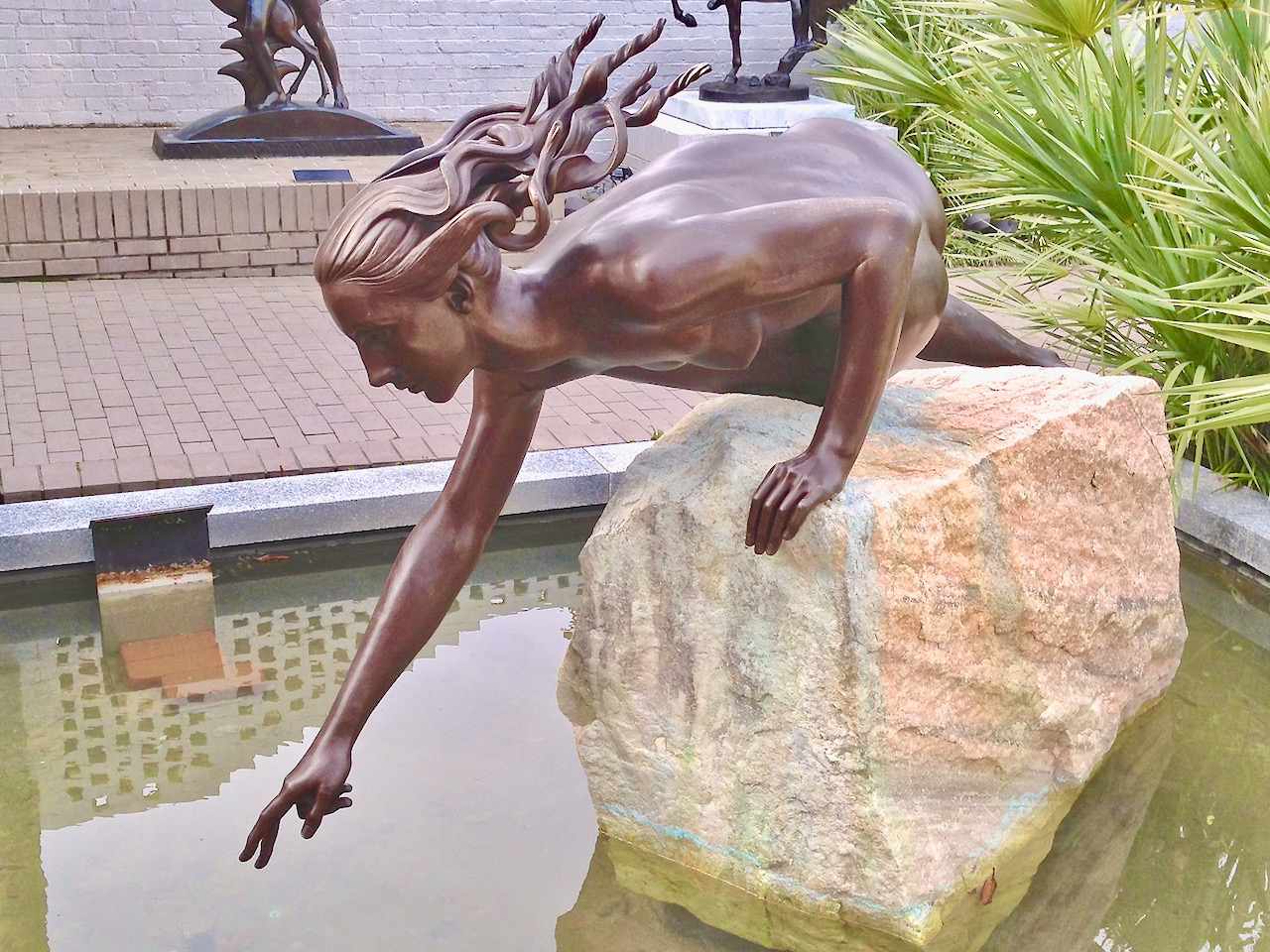
The Pawleys Island area of South Carolina, one of the best in the east for excellent golf courses, is not exactly a cultural mecca; on the contrary, it is closer to a wasteland, with a small art museum located about a half hour away and Coastal Carolina University a good 45 minutes. But one giant garden, a wonder of the art world, occupies 9,000 acres of prime coastal marshland about a half hour south of the Myrtle Beach airport and is so vast and diverse in what it offers that it could be the determining factor for couples who want distance from population centers but not from art.
Brookgreen Gardens, which spans the town lines of Litchfield and Murrells Inlet, SC, and is just minutes from Pawleys Island, was supposed to be the huge private retreat for the noted sculptor, Anna Hyatt Huntington, and her husband, the enormously wealthy Archer Huntington. The Great Depression depressed the prices of plantation land in South Carolina, and the Huntingtons scooped up separate pieces of property that eventually grew to 14 square miles about a mile from the ocean.
When Archer Huntington and noted sculptor Anna Hyatt Huntington, his wife, purchased property in South Carolina in 1930, the original idea was to build a retreat from the world while Anna, who had been diagnosed with tuberculosis, recovered her strength. However, 18 months later, on July 13, 1931, the property was incorporated under the laws of South Carolina as a private, not-for-profit corporation entitled "Brookgreen Gardens, A Society for Southeastern Flora and Fauna."
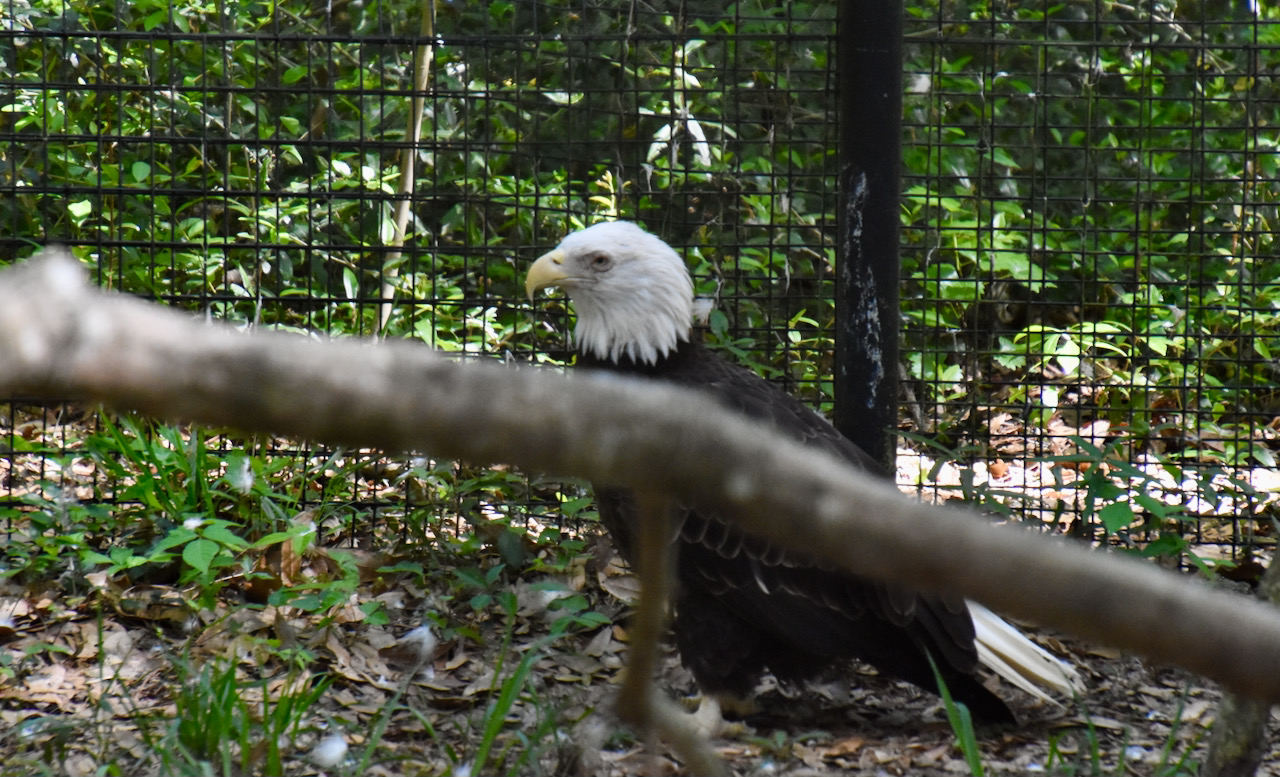
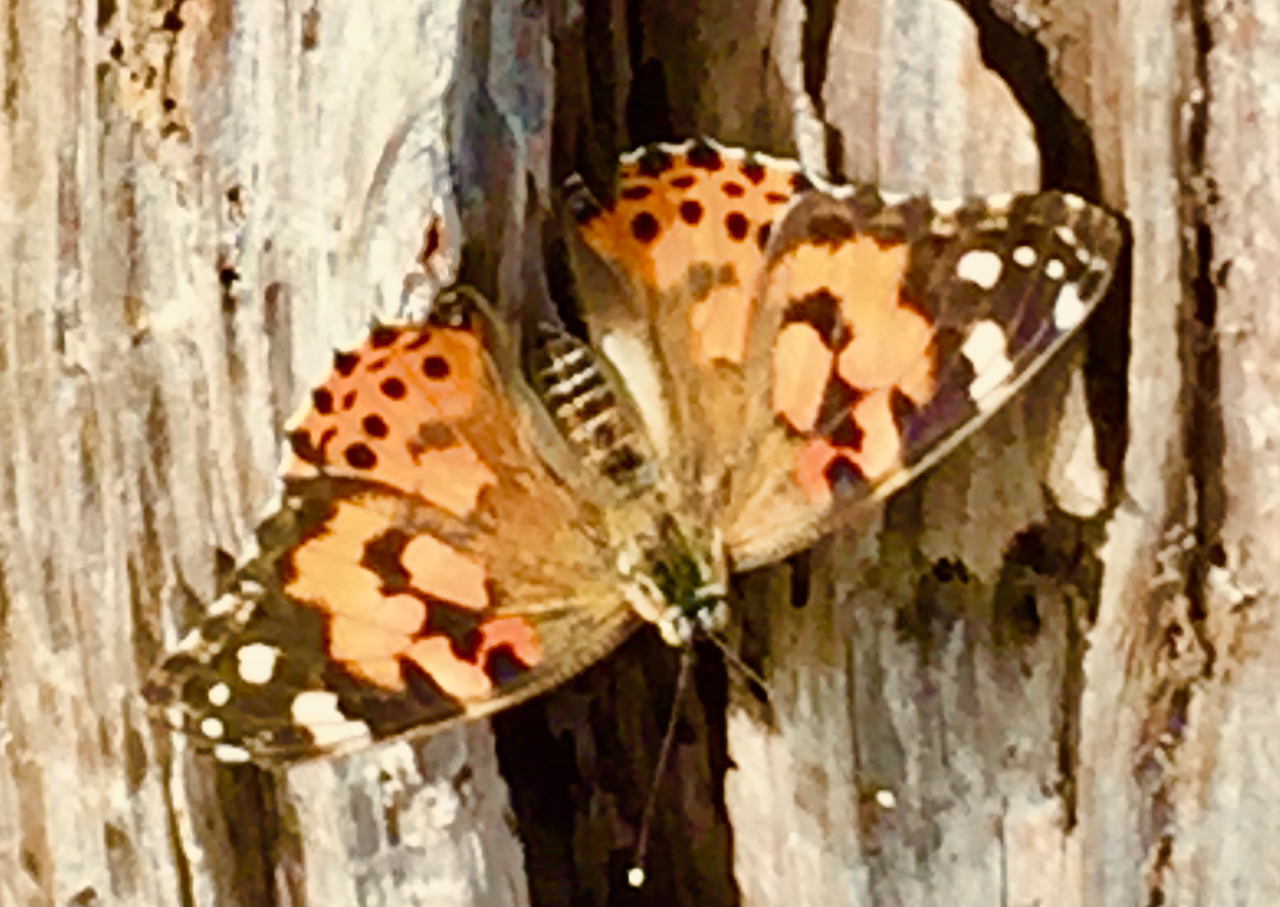
From the beginning, the Gardens’ goals were not solely related to the display of sculptures in a garden setting. They were also to collect, exhibit and preserve plants of the Southeast, and to do the same for the indigenous animals of the area. There is even a zoo on the property and at virtually all times of the year, the gardens are festooned with seasonal and colorful flowers and plants.
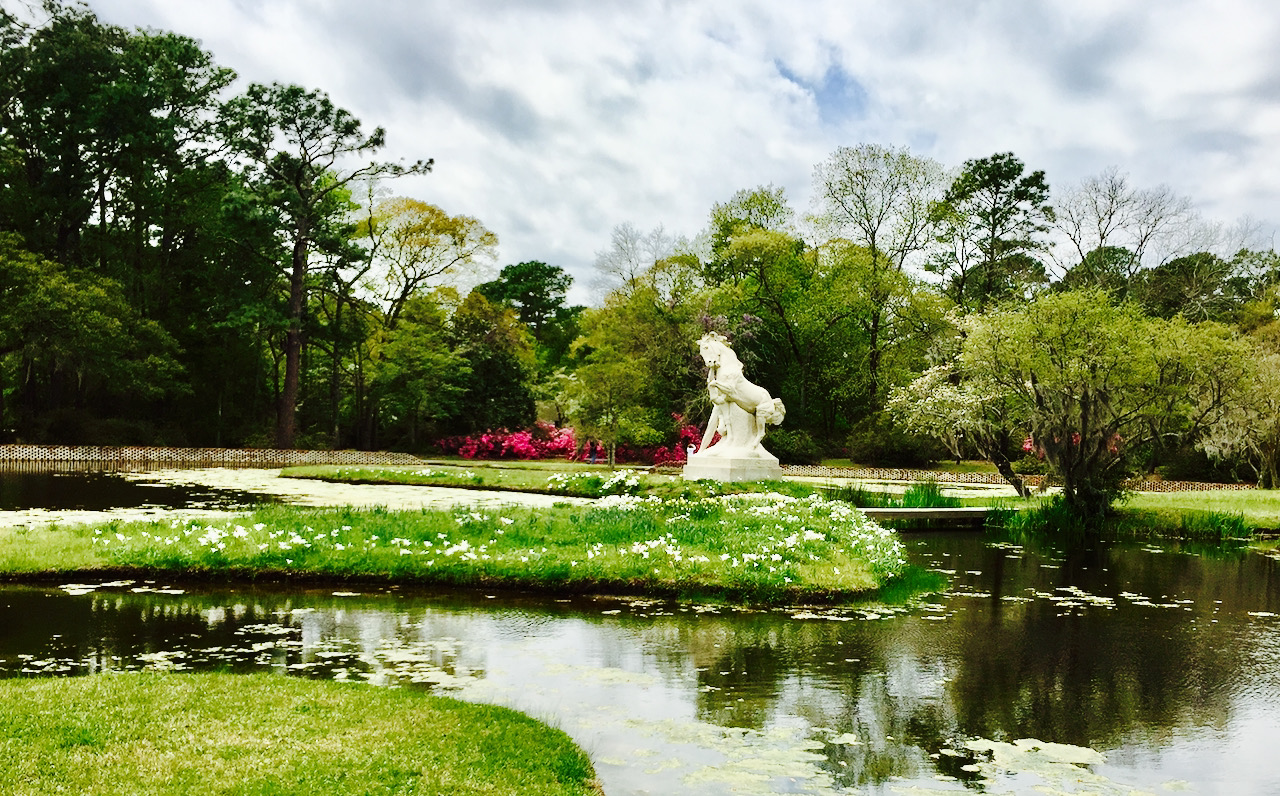
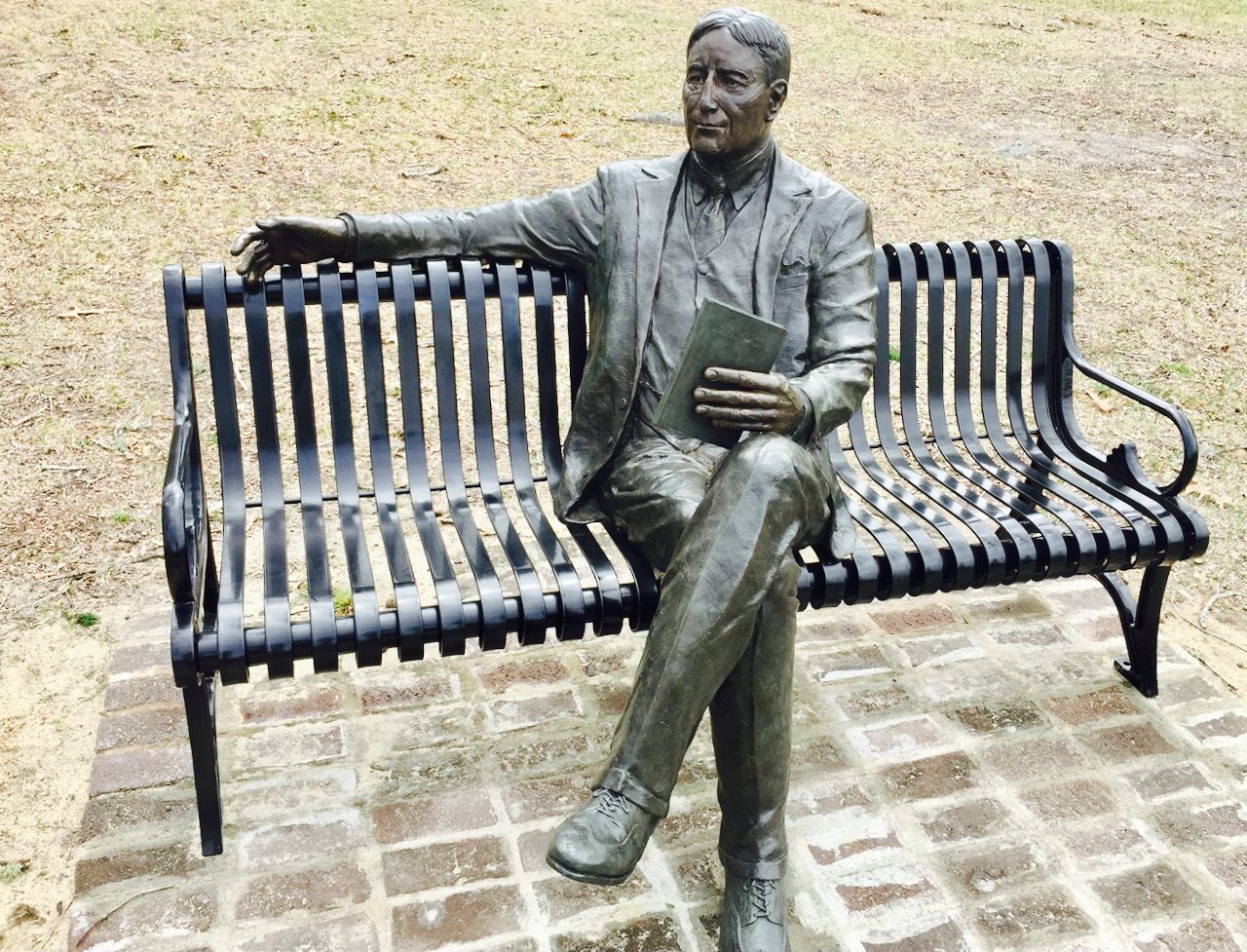
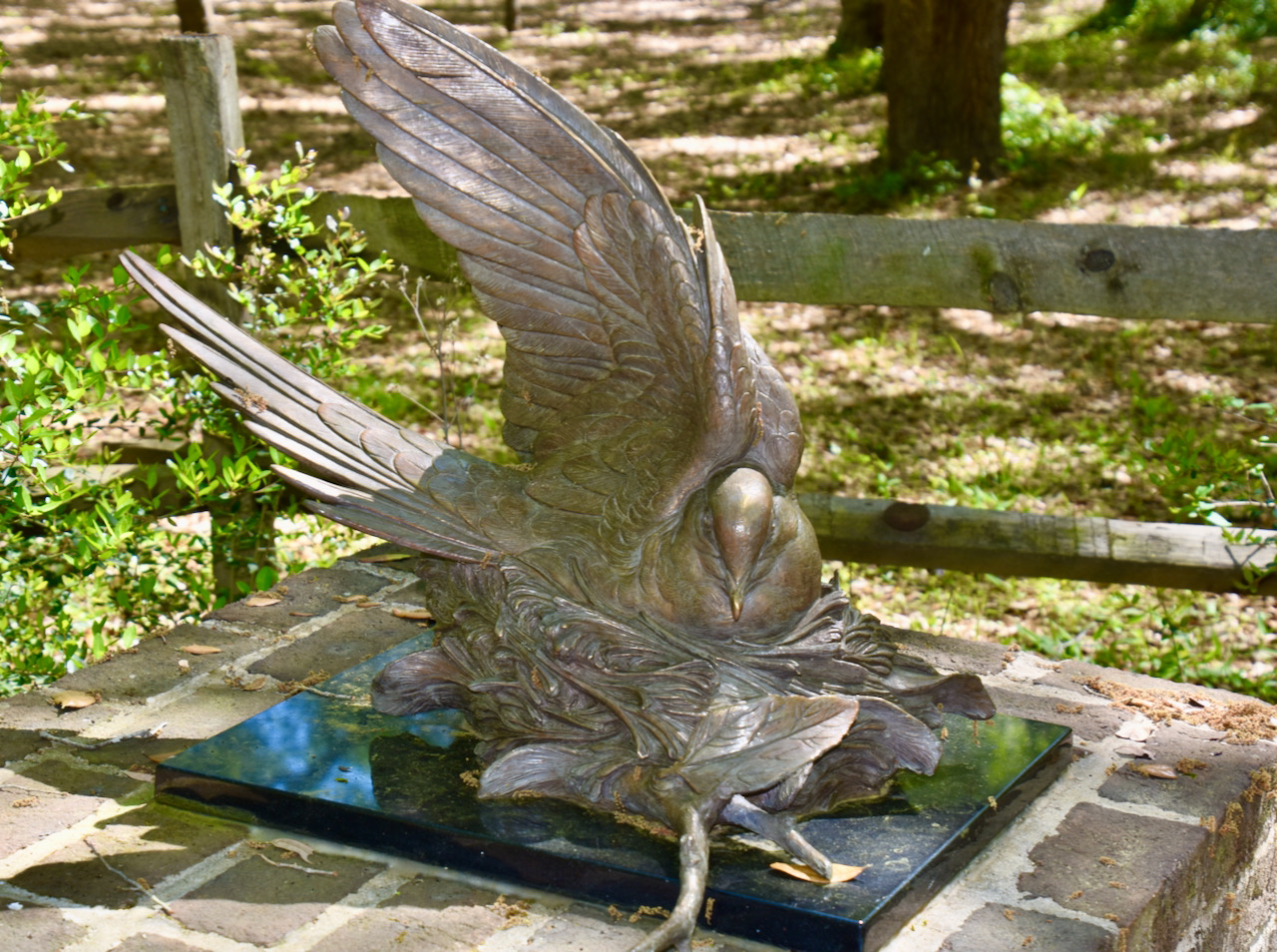
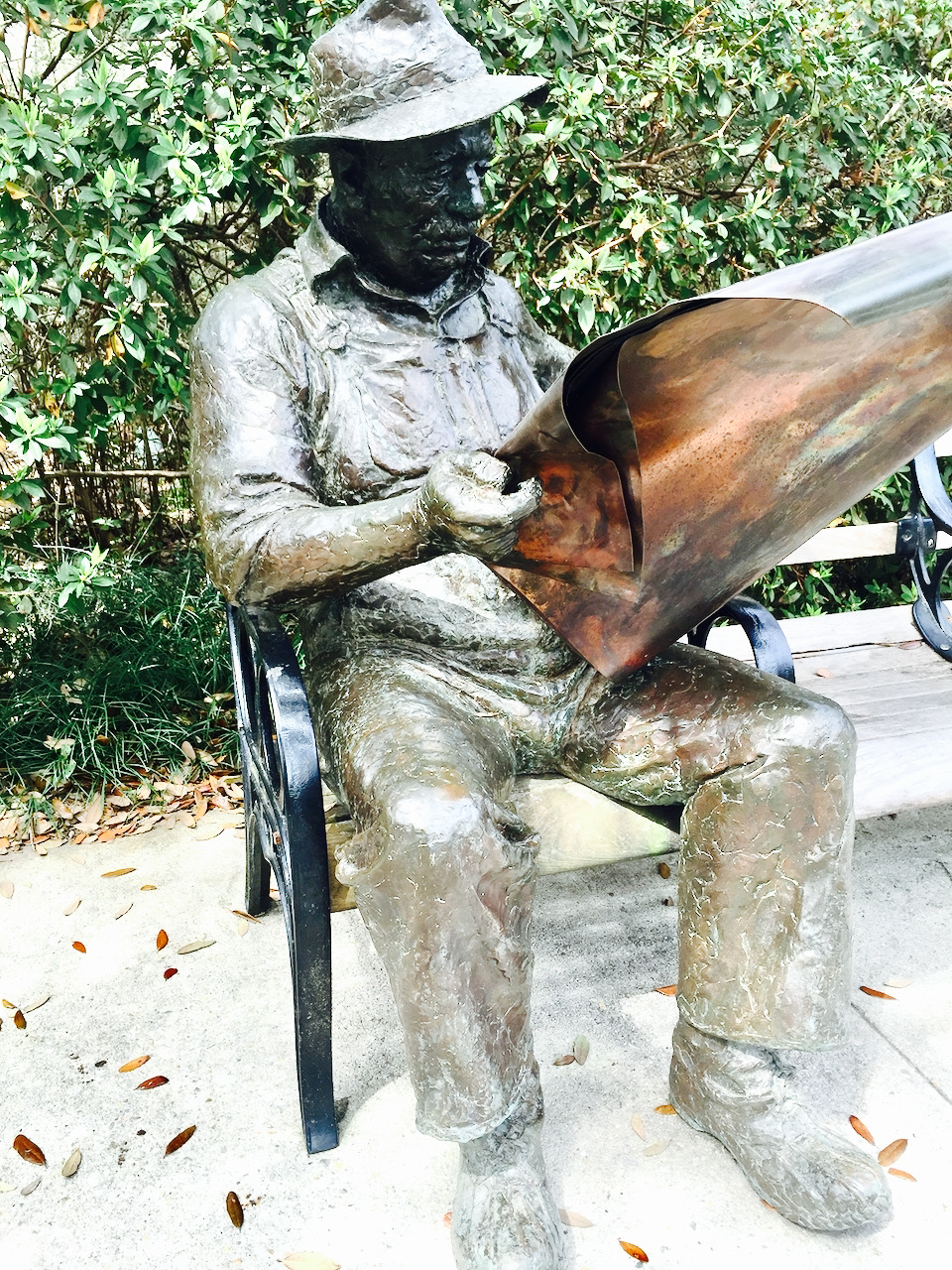
My wife and I are members of Brookgreen Gardens, and whenever we stay at our vacation condo in Pawleys Island, we make sure to visit the Gardens a couple of times. They are beautiful and diverse in the types and sizes of sculptures (some of the most artistic fountains you will ever see) and flora; best of all, there are plenty of benches on which to relax and contemplate the creative spirit and the generosity of the Huntingtons, who also bequeathed to the state a beautiful stretch of beach just a couple of miles away. After a frustrating or exhilarating round of golf, the Gardens is the perfect place to wind down.
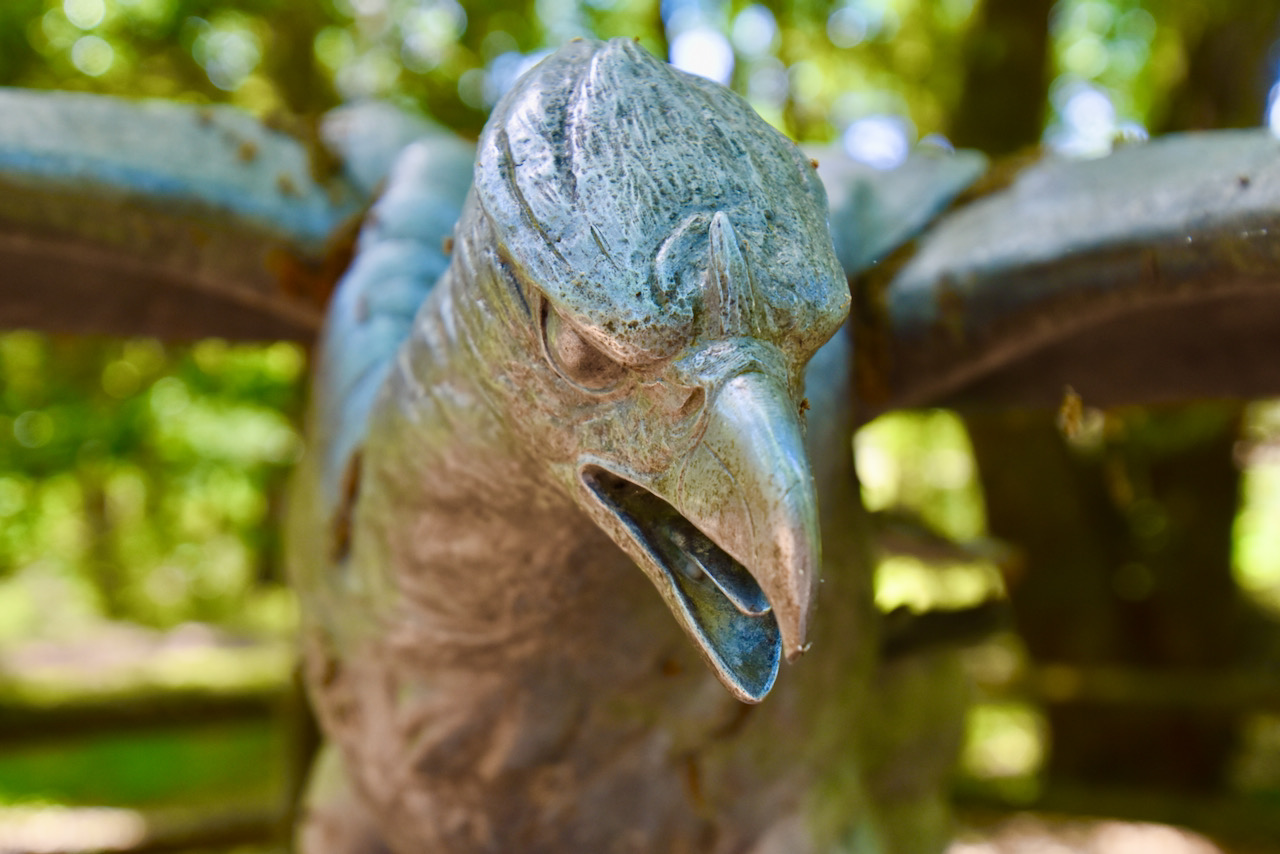
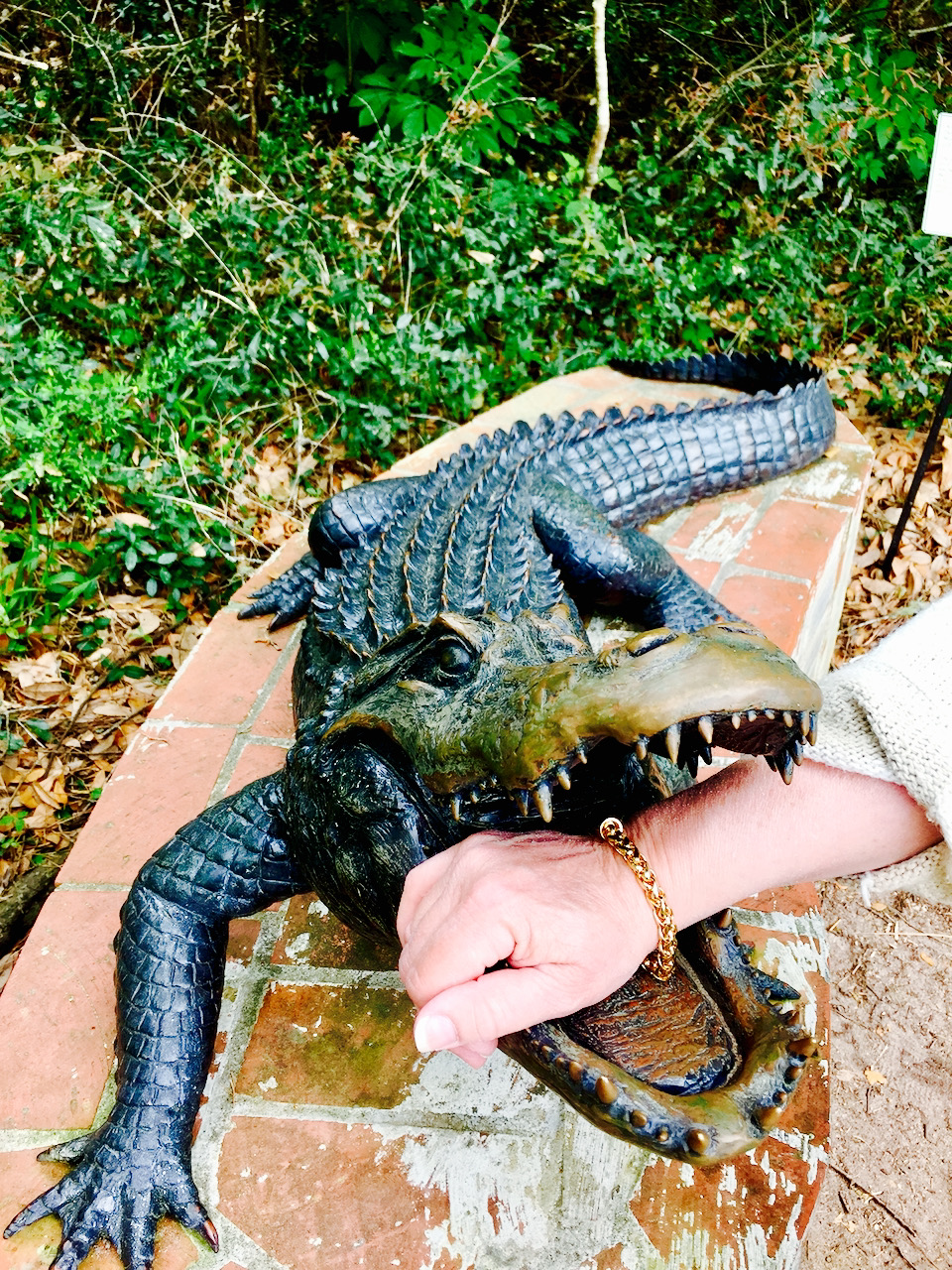
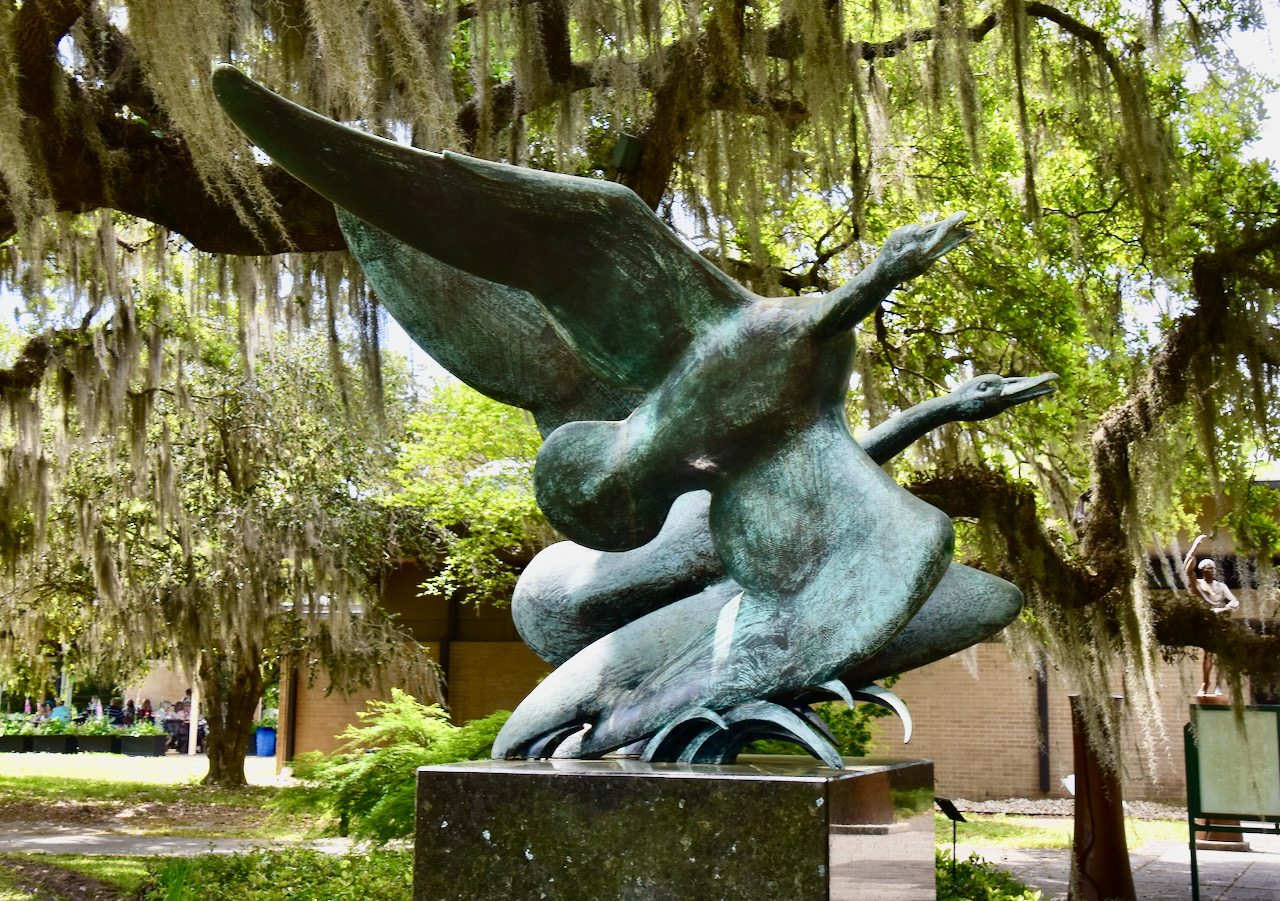
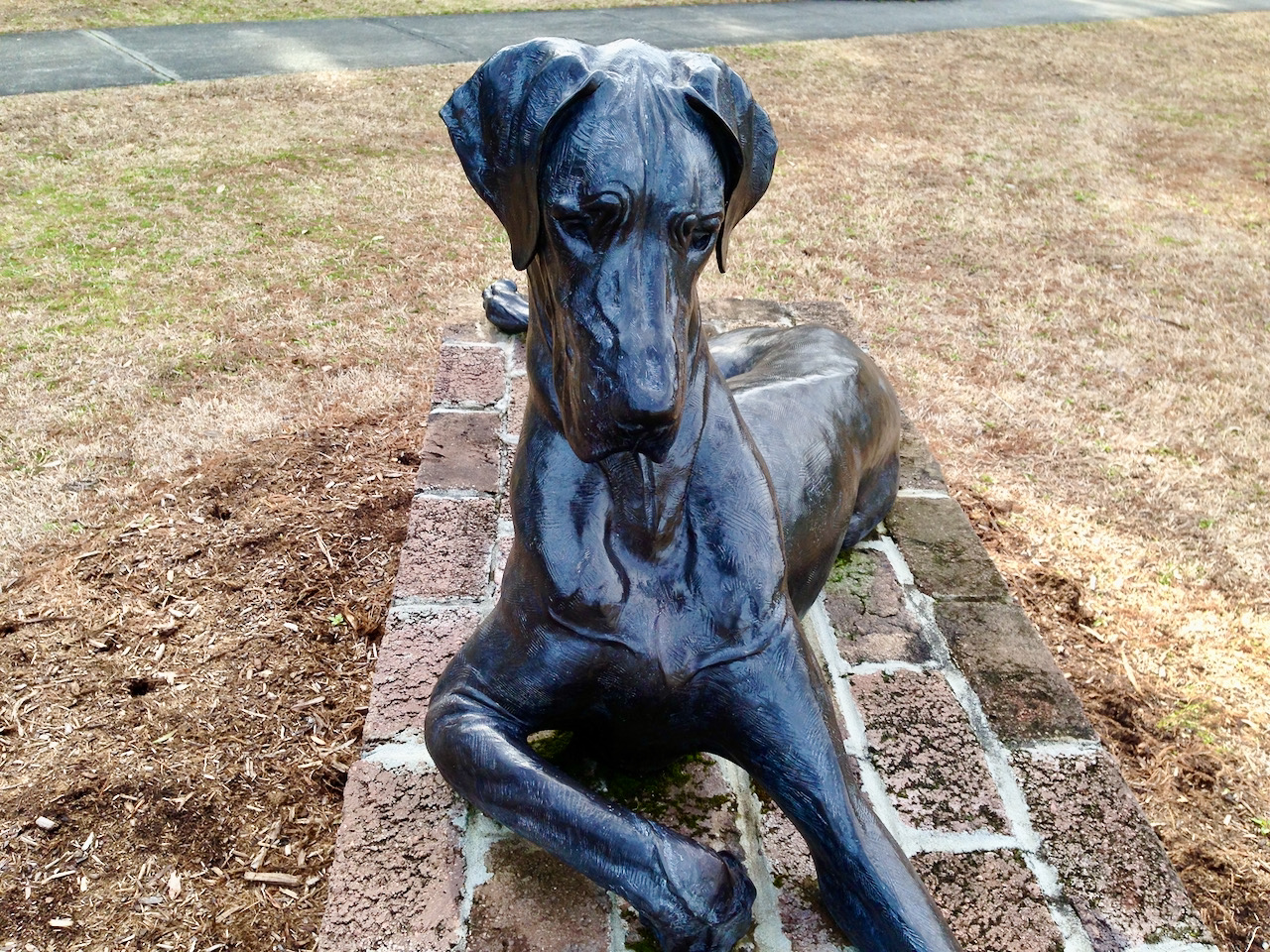
Below is a sampling of photos I have taken over the years at Brookgreen Gardens that will provide an idea of what awaits you if you are fortunate enough to visit.
Image Gallery

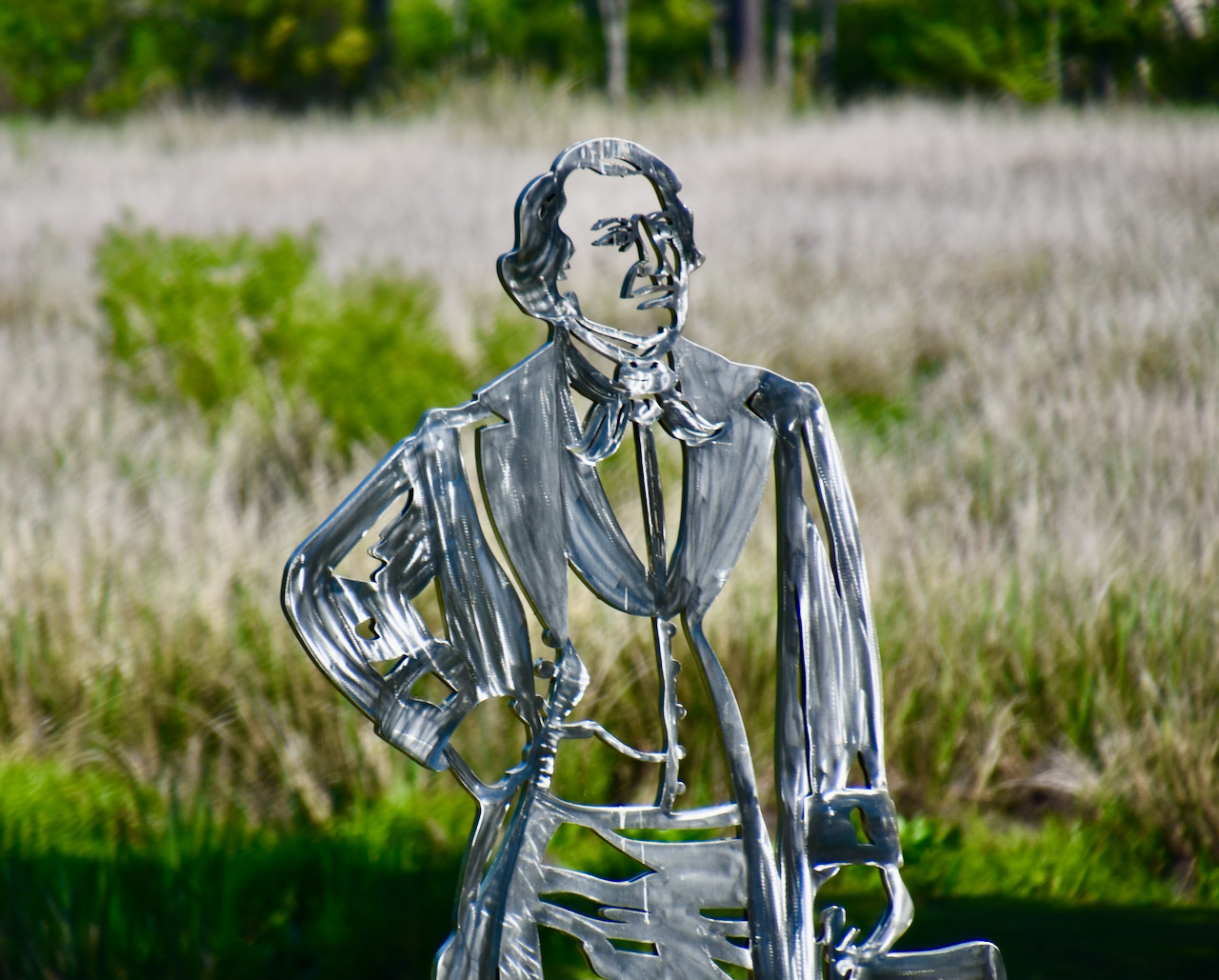
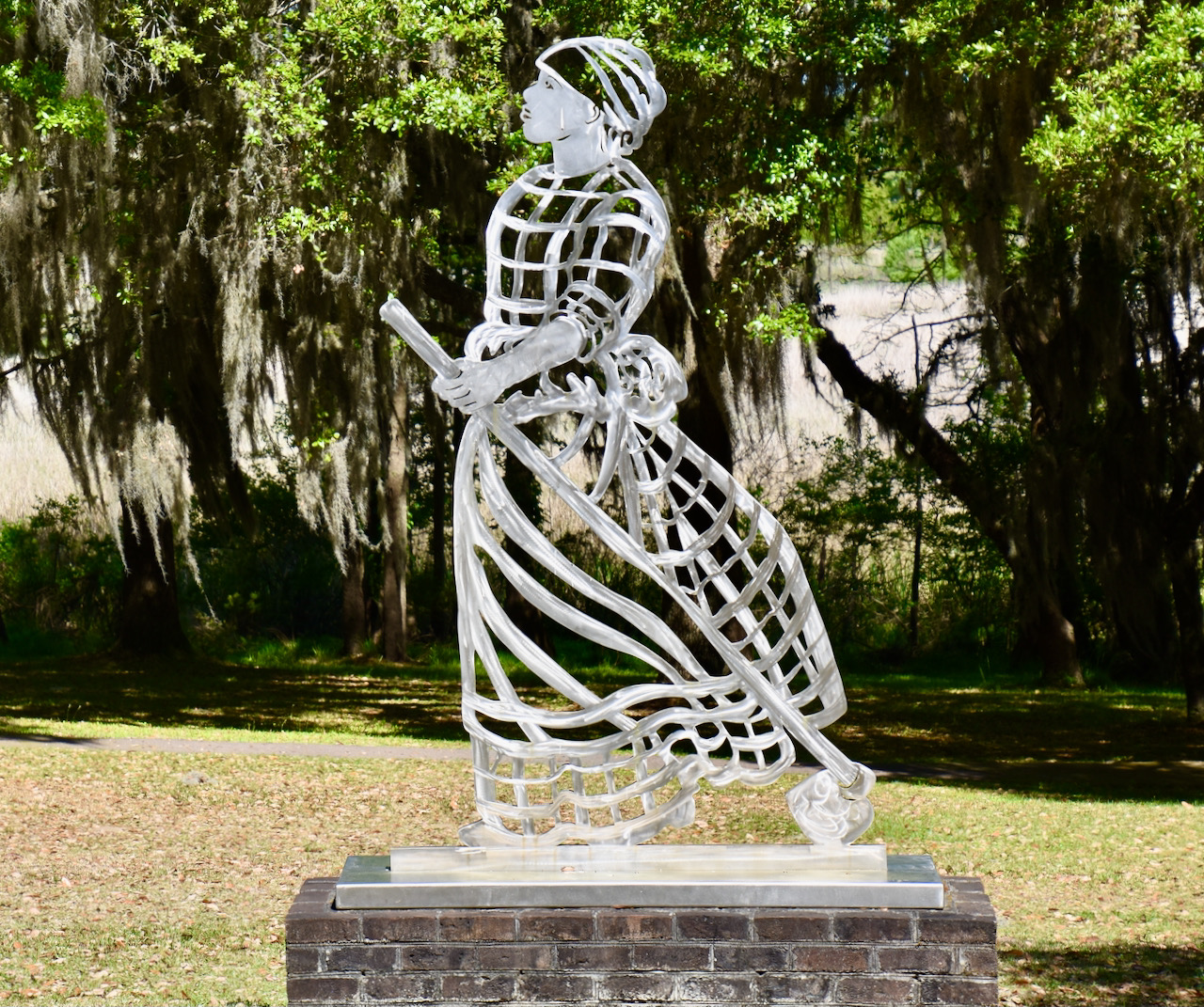
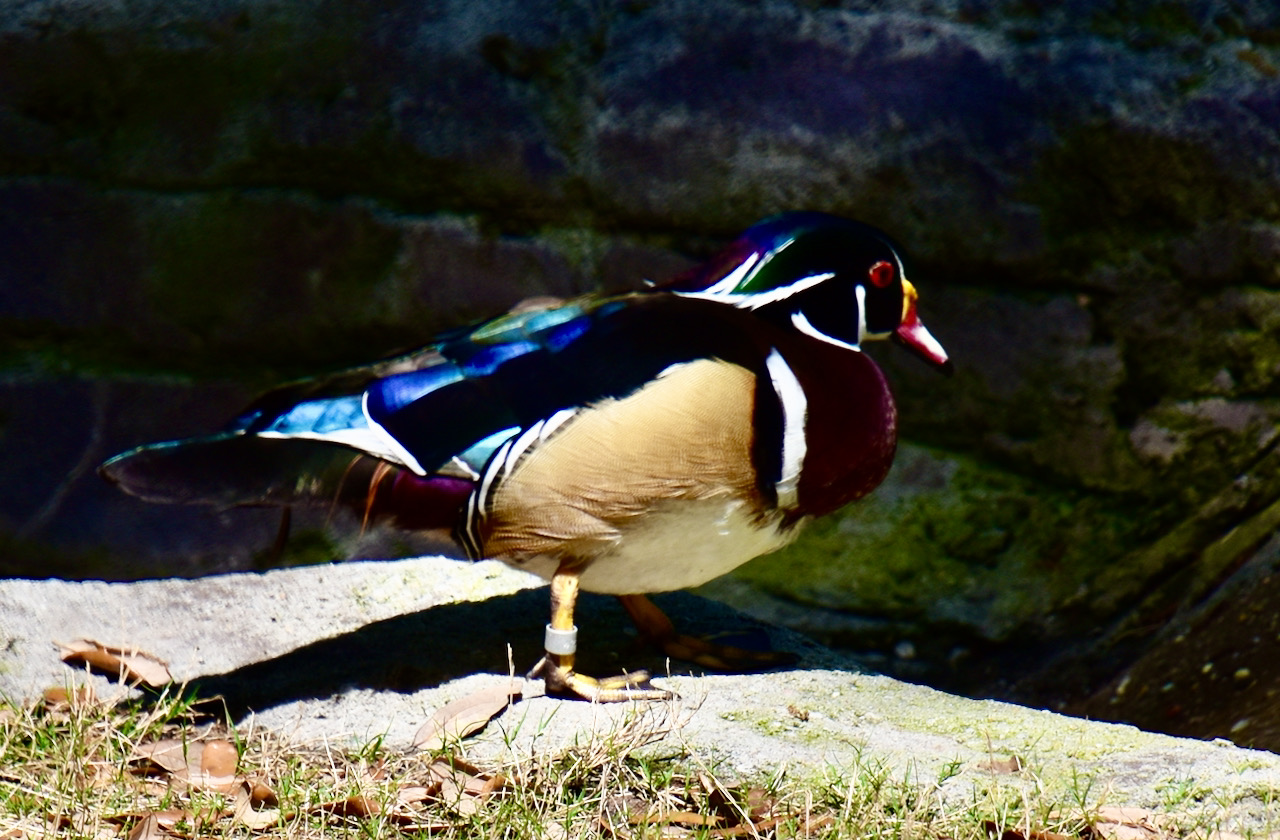

https://www.old.golfcommunityreviews.com/questionnaire#sigProIdca8c38b43a
A Bald Move: Residents Spend $8.5 Million to “Reinvent” Community
Newly retired folks looking to move to a Southeast golf community do not have many options at the moment, given the historic high demand and shrinking inventories throughout the region. But regardless of the market, few couples will spend their hard-earned savings on a home in an older community that is showing its age.
That is why the property owners of Rumbling Bald, formerly known as Rumbling Bald Resort, have decided to cheat Father Time with a wise and unusually bold move to reshape its golf courses and overhaul its infrastructure. They have committed $8.5 million over the next five years to the effort; the goal is to attract more permanent residents.
“We’ve gone through a couple of years of identifying ourselves, of who we are and who we are hoping to target,” Rumbling Bald General Manager Jeff Geisler recently told Morning Read, a golf-industry-focused website. “It just made sense to focus more on the community part and not so much on Rumbling Bald on Lake Lure as a resort.” The marketing thrust for the community reflects the transition: “Visit here, live here.”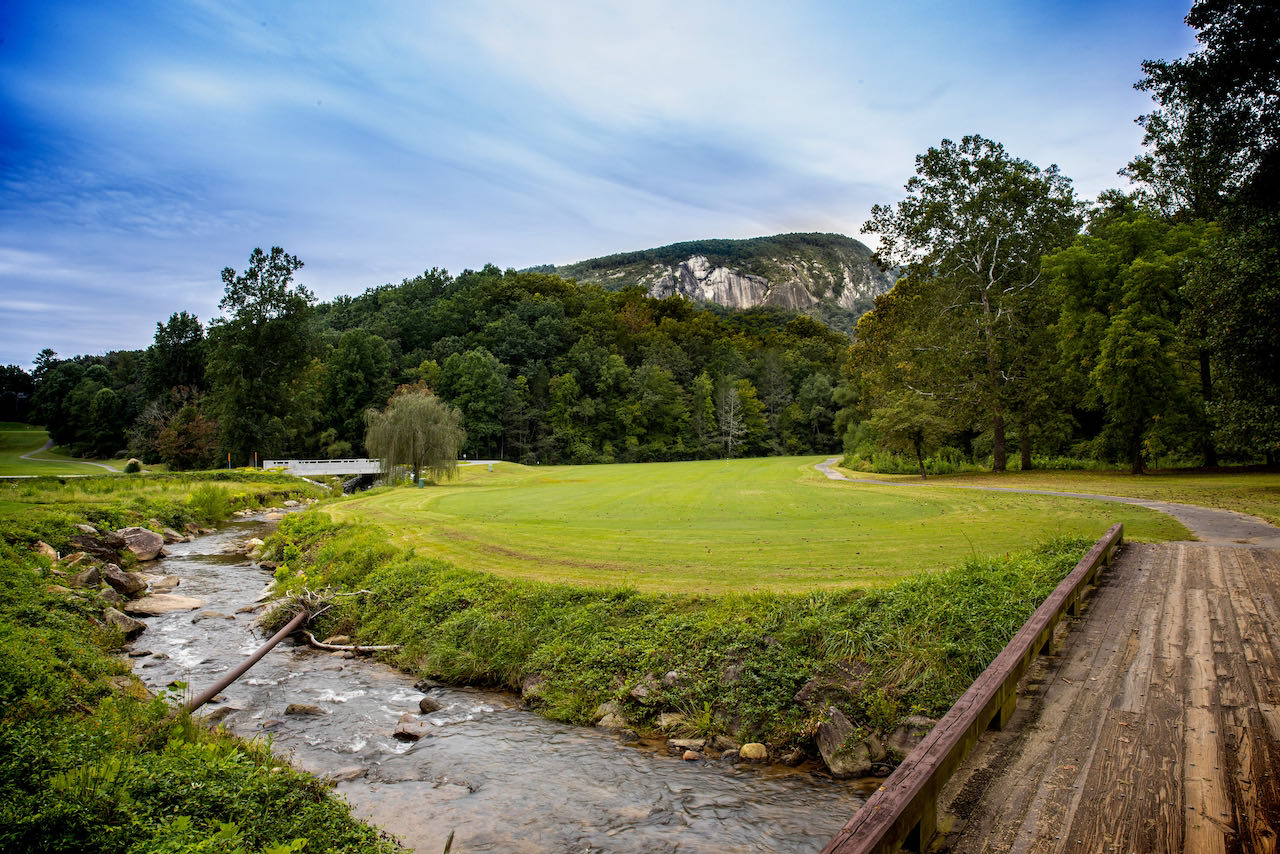 #17 on the Bald Mountain course at Rumbling Bald
Rumbling Bald is a 3,000-acre golf community loaded with amenities and located on the northern end of 720-acre Lake Lure in western North Carolina. The community’s name is derived from Rumbling Bald Mountain, which was renamed in the 1870s when a local preacher asked for a sign from above and received it in the form of a shaking and quaking mountain. (Geologists believe the phenomenon was the result of boulders falling into the many caves on the side of the mountain, but try telling that to those who saw it as a sign and hung a new name of the mountain.)
In any case, the eponymous golf community has decided to shake things up with its $8.5 million investment which will affect almost every part of the property, especially its two 18-hole golf courses. Geisler and Rumbling Bald’s board recognized that golf’s meteoric rise in popularity during the pandemic may not continue, but golf inside communities has certainly been reenergized as an important amenity. The board approved major enhancements to both courses, including brand new Champion Bermuda greens for Apple Valley, the marquee layout designed by Dan Maples, and significant landscape upgrades, new turf grass and tree trimming for Bald Mountain, which was designed by George Cobb protégé W. B. Lewis.
“Bald Mountain is a blast to play…and with the new greens on Apple Valley, the golf courses are the best they’ve ever been heading into the golf season,” says Rumbling Bald Golf Operations Manager Adam Bowles. “We’re excited to give golfers a fresh look at the courses they have enjoyed for years.”
Other golf-specific investments include new signage on all 36 holes and at both clubhouses. Apple Valley and Bald Mountain have also added new E-Z-GO cart fleets and redesigned bag drop areas. And both practice ranges have enlarged hitting bays and added other improvements.
Non-golf amenities for homeowners at Rumbling Bald are among the most complete in any golf community and include an on-site spa and salon, wellness center, three restaurants, a beach and lakefront swimming, other water activities and a 125-slip gated marina. Some of the best hiking east of the Mississippi is only minutes away, and the exciting and popular mountain town of Asheville is less than an hour’s drive. One of the largest and best-stocked Ingles supermarkets in the Carolinas is just outside the community’s boundary.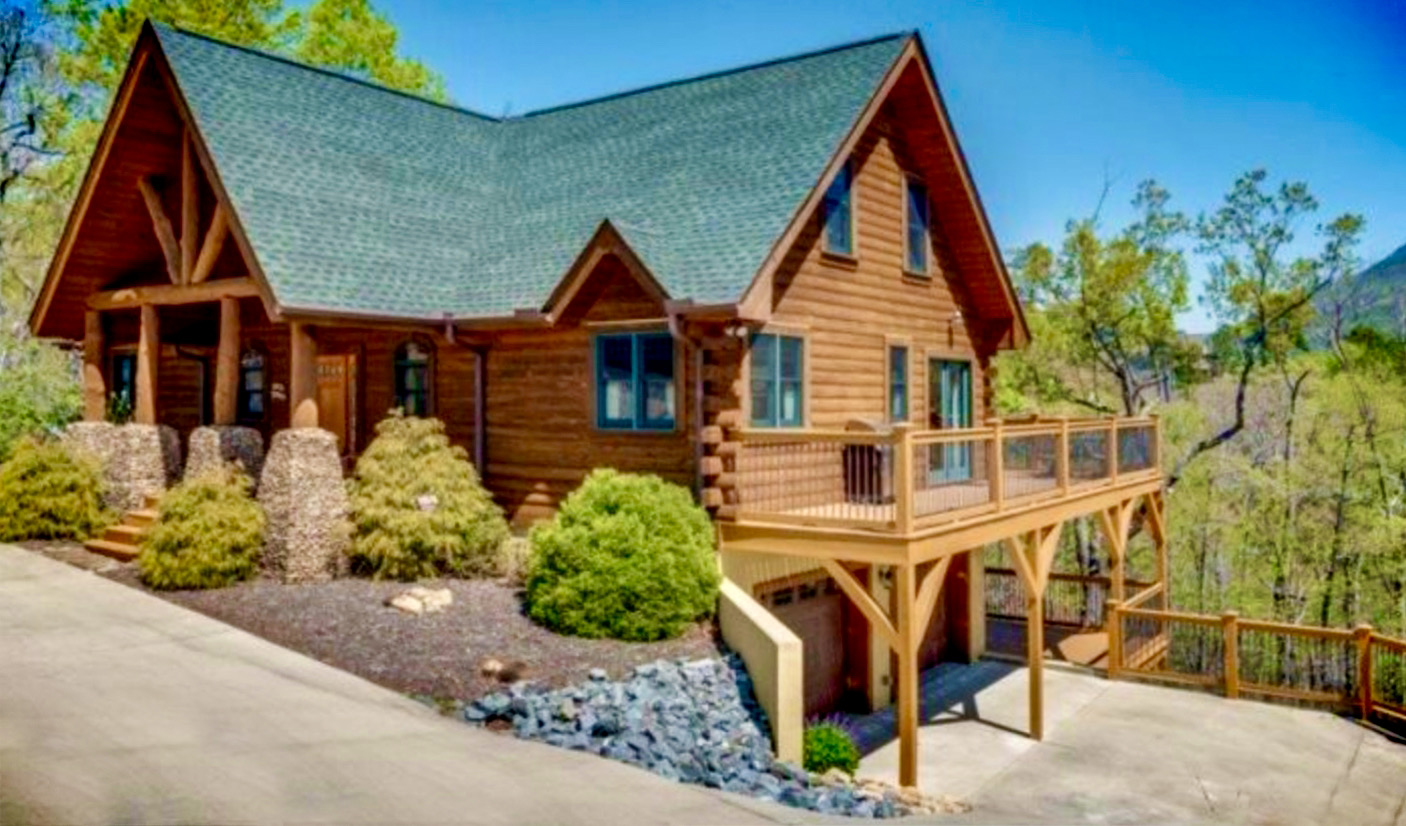 An example of a rustic but modern home at Rumbling Bald
Residential offerings include single-family homes and condos both on and off the golf courses, at comparably reasonable prices in a currently tight regional market. A quick check of inventory during this writing uncovered a one-bedroom condo under contract for $59,000, a fully renovated condo for sale for $69,000 and a small selection of single-family homes in the $400s.
Availability of home sites at Rumbling Bald is surprisingly ample; most lots are in the .8 to 1-acre range, priced from $5,000 to $79,000. Several lots have golf course views, while others offer lake views and, a few, direct lake access.
If you would like to sample life at Rumbling Bald before deciding on a move, discovery packages are offered that include golf, a tour of the property, scenic boat tour of the lake and lodging in the retreat’s Apple Valley Studios. Although it has jettisoned its last name, Rumbling Bald still welcomes resort guests who can choose to book larger villas and luxury mountains homes and explore the community at their own pace. And Rumbling Bald is providing complimentary golf for two, exclusively for GolfCommunityReviews.com readers. Contact me, and we can get the ball rumbling on a visit to this reinvented community.
Three Minutes to Famed Caledonia Golf, An Ideal Second Home
There is no better golf course along the 90-mile Grand Strand of South Carolina than Caledonia Golf & Fish Club. Located in Pawleys Island, just south of Myrtle Beach, Caledonia is a relentlessly attractive layout that combines both classic and ultra-modern touches in perfect harmony. It may be the finest course designed by the late Mike Strantz, whose small but electric portfolio of designs come to life stretches across the nation, from Monterery Golf Club in California to Bull’s Bay just north of Charleston, SC. (And who hasn’t heard of Strantz’ Tobacco Road in North Carolina, one of the most entertaining 18-hole jaunts anywhere?)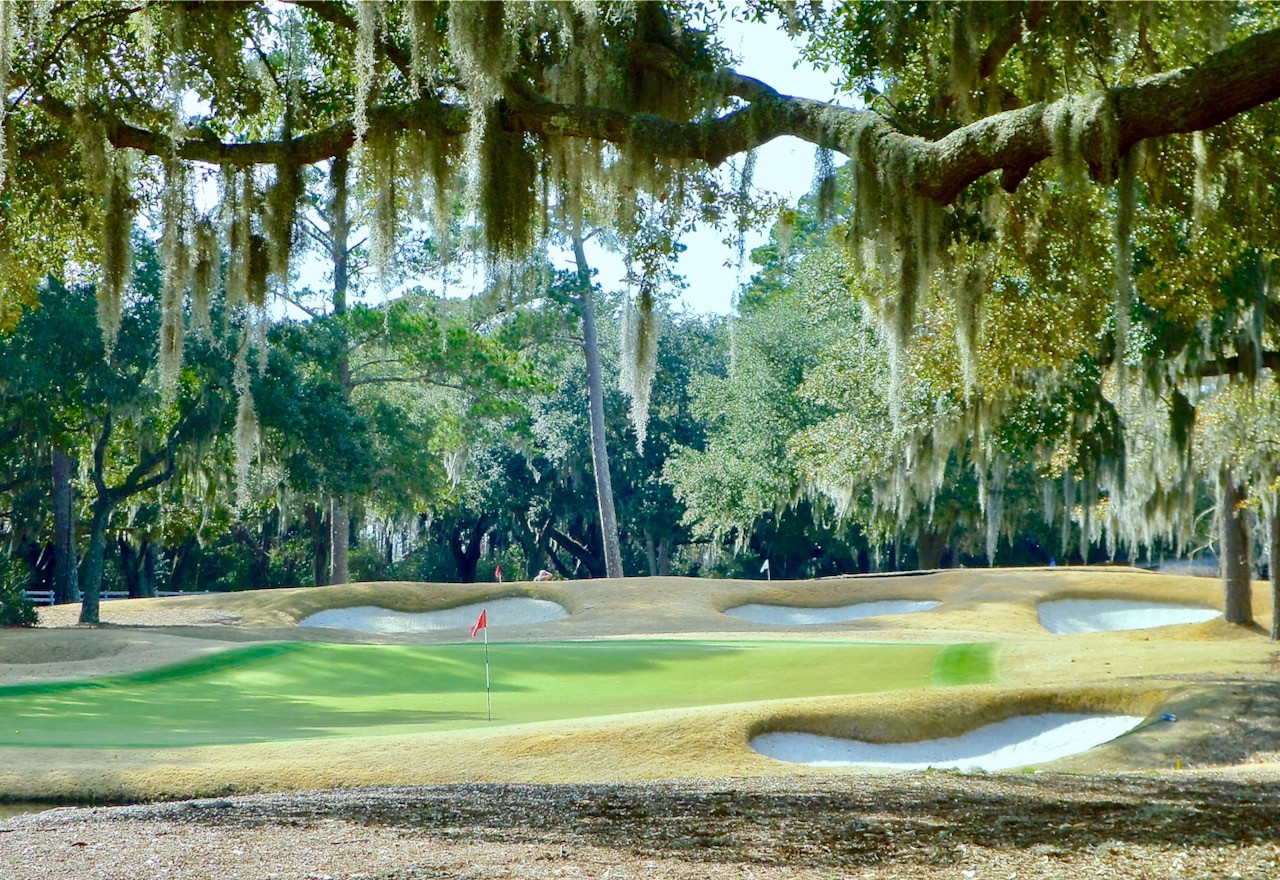 The Caledonia Golf & Fish Club short-game practice area.
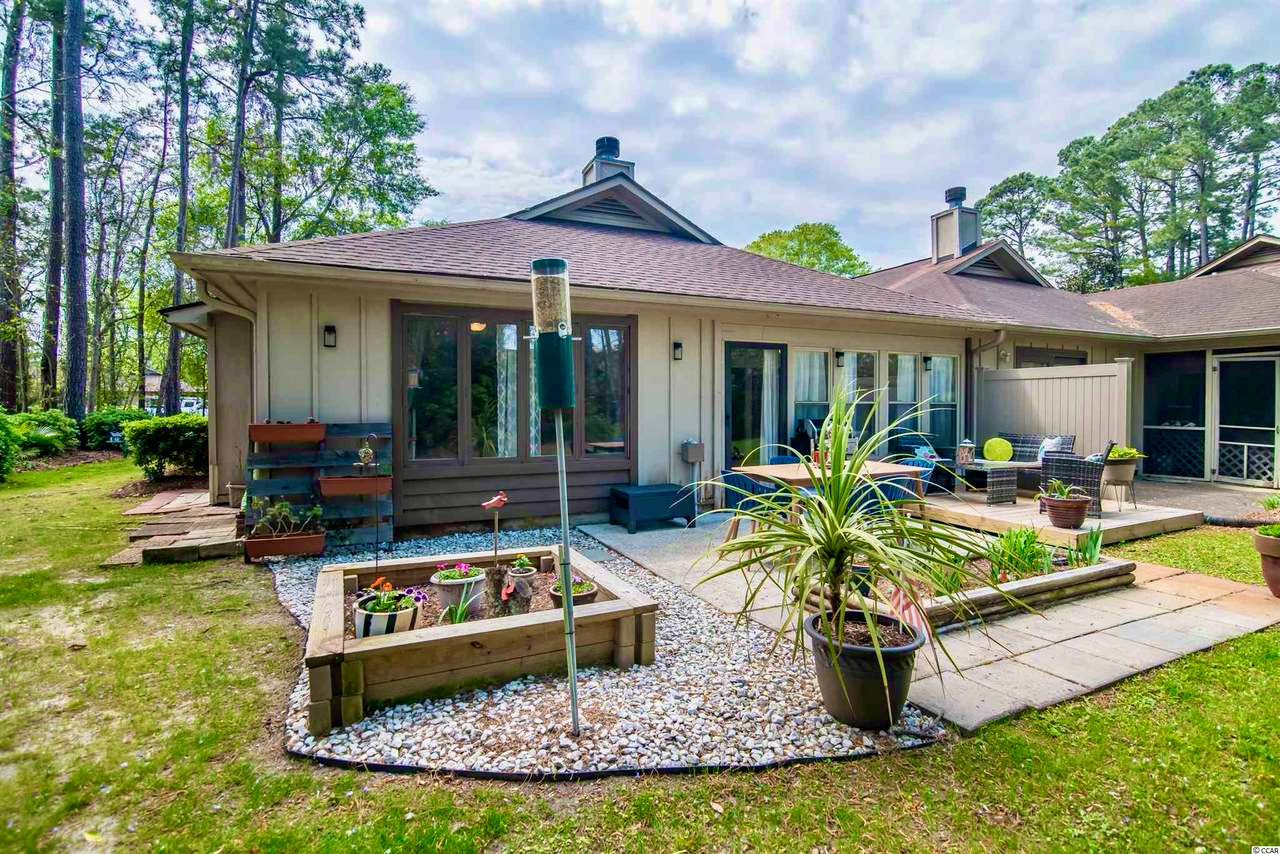
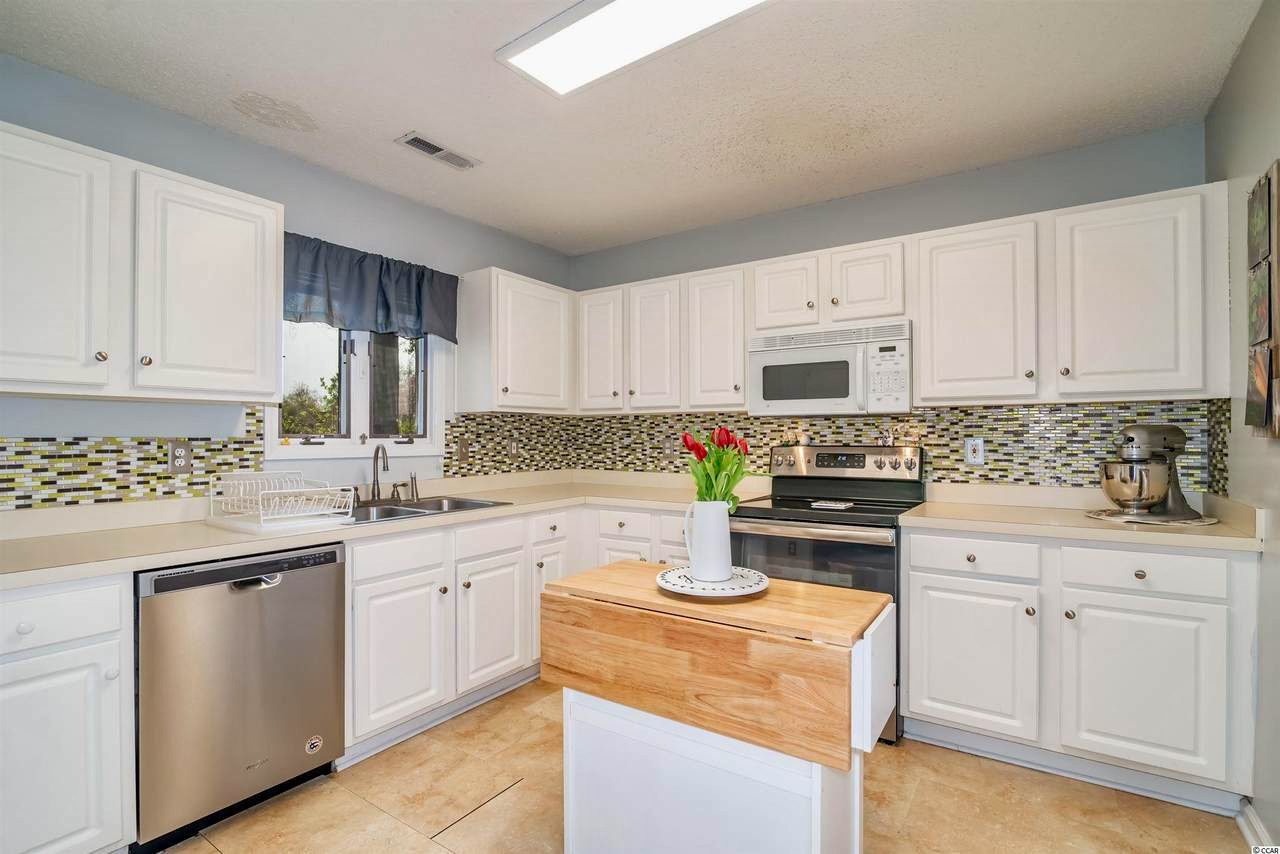
Caledonia is why a new listing in Pawleys Island caught my eye today. A cute little three-bedroom, two-bath condo, it is just one left turn and three minutes from Caledonia’s iconic, live-oak-lined entrance. Caledonia’s equally magnetic partner course, True Blue, is just another 90 seconds down the road; and although it isn’t quite as dramatic as Tobacco Road, you can feel the same designer’s hand (and tractor) all over it. The home is listed at $219,000 and the agent's description includes the following:
"Within the last three years, owners have replaced the roof, hvac system and water heater. Have your morning coffee on the recently built deck in your secluded backyard adorned with flowers the seller has nurtured. Relax with a book and afternoon beverage in the Carolina room. In the cooler months, enjoy a wood burning fire in your family room. Community has a large natural recreation area to walk and picnic. Reasonable HOA fee includes trash pick-up; landscaping, cable and internet." (See photos below)
If you are interested, I can put you in touch with the listing agent. Contact me here.
Annual membership at Caledonia (True Blue membership is included) is a good deal for year-round residents especially, at $1,895 for a single golfer between the ages of 40 and 75; and $1,295 if you are over the age of 75. Corresponding couples rates are $2,595 and $1,795, respectively. However, the membership fee does not provide free golf but rather reduces green fees way below Caledonia’s high-season rack rate of $199, the most expensive of the 90 or so courses on the Grand Strand. Members pay $30 (cart included) for Caledonia and $27 for True Blue.
Only Natural: Carolina Colours Combines Golf and Land Design
by Kenneth Kirkman
Ken Kirkman for years was a leading coastal environmental lawyer with clients throughout coastal North Carolina. He transitioned into management of large coastal communities, including Beacon’s Reach in Pine Knoll Shores, Bald Head island off of Southport, Landfall in Wilmington, before personally developing the Carolina Colours community in New Bern, where he currently resides. In his career he has also provided consulting services to a number of developments and has acted as legal counsel to municipal governments, land developers large and small, and more than 100 community associations.
As the original developer of Carolina Colours, a 1,500-acre planned community in New Bern, NC, I had the opportunity to work closely with Bill Love, our golf course architect, in determining what we wanted to accomplish by constructing a golf course in the heart of our community. While New Bern is well known as a great place to live and retire, it is not a golf destination so we knew we would have many residents of retirement age with handicaps all over the place.
Working with Love, we established several design criteria: Make it friendly for high handicap golfers, including young, old, male and female; limit forced carries from the shorter tees, but make it challenging for the long hitters; allow for multiple teeing grounds with large tee boxes so the players that play multiple times a week can vary their experience; have a good blend of shot making, with 4 par threes of varying length, 4 par fives with differing characteristics, and with the par 4’s being equally divided between short, medium and long. A player will use all the clubs in his or her bag.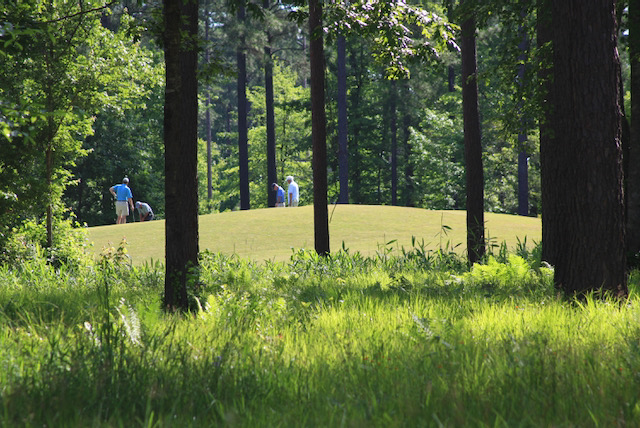 Developer Ken Kirkman and golf architect Bill Love focused on how the golf course layout fit harmoniously into the wooded environment at Carolina Colours.
We also are blessed with a wooded site, natural wetlands, abundant vegetation and varying elevations, so another objective, in addition to our design criteria, was to maintain a natural setting. We did not want a course with condos and small-lot homes crowding the fairways, so our limited number of multi-family structures are not situated adjacent to the course. Love, a long-time chair of the environment committee of the Association of Golf Architects, embraced all objectives and our players agree that our goals were met. The course has been consistently ranked by the NC Golf Panel, one of the few objective rating groups in our region, as the best course one can play in our central coastal region of North Carolina.
Love is a land planner as well as a golf course designer. We engaged Bill not only to design the course but to do the land planning for all of the residential areas of our large community as well. This allowed him to design residences around the golf course layout, with flexibility to use the natural features in the golf design as he deemed appropriate. Unlike some other communities where the golf course is force-fit to accommodate real estate sales, Carolina Colours is just the opposite. We required significant set-backs from adjacent housing, with a goal of forever having a natural feel to the play of the course. Many holes will never have housing on one side of the fairway.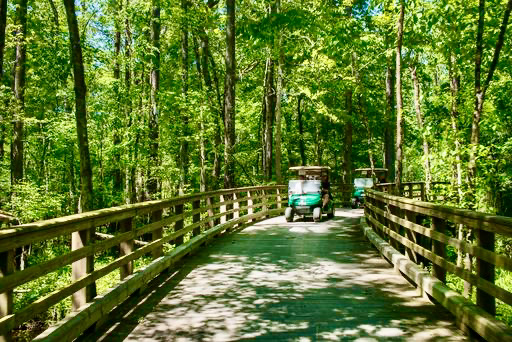 Plenty of flora and fauna to contemplate during a round at Carolina Colours.
The Golf Club was then structured to encourage equity membership at a reasonable price, while offering associate (annual) memberships at higher dues. In order to keep dues in our target range, public access with more restrictive tee-time reservation opportunities was allowed. We made it clear from the beginning that Carolina Colours was not to be a formal country club community but, rather, a great place to live with an excellent golf course.
We also maintain bent grass greens. We recognize that in the heat of the summer they sometimes get stressed, but the fact that we have both a spring and a fall growing season allows us to keep them playable and naturally green year-round. Our superintendent shares our belief that our greens are one of the best features of our course, and we have found that many of our retiree members who have migrated from the north love to continue play on our bent grass putting surfaces.
We have a very active LGA and MGA, plus frequent couples’ events. Our community has a very active social life, and the property owner’s association shares our nice activity center with our golf members and players. All residential property owners pay a small fee into the association as part of their property owner dues to support the club, whether member or not, recognizing that maintaining the course is key to maintaining residential property values.
We have recently added The Carolina Colours School of Golf with instructor Terri Magliacci, a well-recognized teacher who formerly worked as a teaching professional at Westchester Country Club, among others. She has a unique teaching style that focuses on results rather than form, and those players, both young and old, who are utilizing her clinics and individual teaching rave about their improvement. Our nice practice is a great setting to take advantage of her services.
New Bern was just recognized by Southern Living as one of the best small towns in the Southeast. Blessed with a five-star hospital and outstanding medical specialists, an airport, a number of historical sites, a great downtown with shops and restaurants, an active artistic group and welcoming residents, no small town can offer more. With two large rivers converging downtown, water activities are unlimited. As a bonus, the Atlantic Ocean and public beach access is close (but not too close). We adjoin one of the largest National Parks in North Carolina, which stretches about 30 miles, almost to the ocean.
Within Carolina Colours, our commercial area is anchored by a large Harris Teeter grocery, banks, pharmacies, physical therapy and other services, with more coming all the time. An age-restricted independent living and assisted living complex has just gone under construction.
Carolina Colours is a decade in the making and is still growing and evolving, as is New Bern and our surrounding region. Many of those that visit decide to call it home.
If Carolina Colours sounds like your kind of "forever home," please contact the editor for more information and an introduction.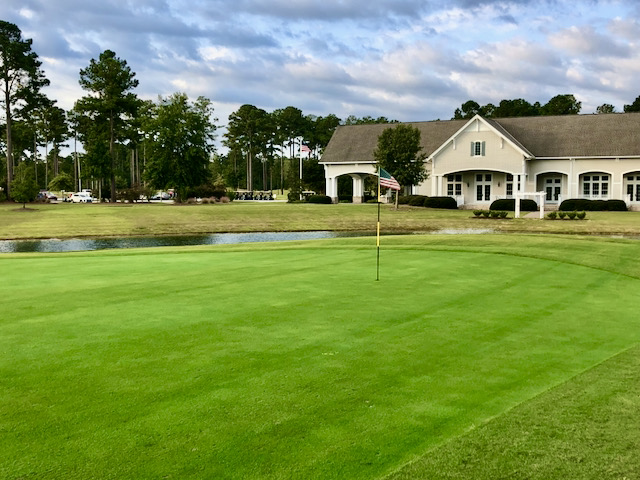 Carolina Colours' finishing hole and clubhouse . Photos courtesy of Carolina Colours
33-Year-Old Champion Hills Rides Market Wave
I have not been able to revisit many of the golf communities I first encountered more than 10 years ago. Therefore, from time to time, I will invite those who are familiar with some of the best golf communities in the Southeast to provide updates here. This first one is courtesy of Shane Sharp, who lives in Greenville, SC, and has written about golf for more than 20 years. He is the owner of Southbound 4, a marketing and PR firm. Champion Hills and the Rumbling Bald Resort are among his clients. [Editor.]
Western North Carolina does not get the attention as a golf destination that Myrtle Beach and Pinehurst do. But word has spread over the years that it is a wonderful place for golfers to retire, semi-retire or simply relocate to enjoy the good life. At elevations of more than a half mile and with the Blue Ridge Mountains as a backdrop, the area is home to dozens of private golf communities and several of the country’s top-ranked courses.
Champion Hills in Hendersonville, N.C. is a prime example. Conveniently located between Greenville, S.C. and Asheville, N.C., the community is less than an hour from each. Having recently celebrated its 33rd anniversary, Champion Hills is taking advantage of the real estate market upswell brought on by the exodus from America’s urban areas.
Golf Community Reviews reported on Champion Hills eight years ago as the community was enjoying its 25th anniversary and launching into a number of new membership programs and initiatives. Since then, Champion Hills members selected the Troon Company to manage the member-owned club, undertook a major renovation of the clubhouse dining facilities, expanded the Wellness Center and updated Tom Fazio’s distinctive mountain layout, which has aged gracefully over more than three decades.
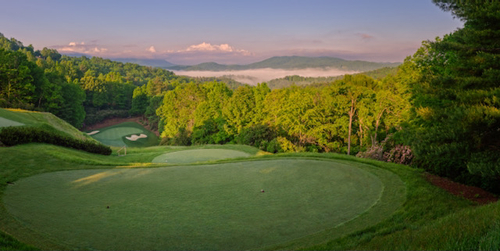 Photos courtesy of Champion Hills
The Golf Course
For golfers used to flat-land courses, Fazio’s circa-1987 layout offers a dramatic change of pace – and scenery. The designer’s routing pitches and rolls through heavily forested hills, deep ravines and mountain streams. Fazio and his all-star team of shapers deftly pulled ridges into valleys and filled hollows to create “playing platforms” that provide golfers with level lies despite the 350-feet of elevation changes. As a result, only six holes feature uphill routings while 14 holes are predominantly level or downhill.
Fazio and his wife moved to Hendersonville at about the time he commenced work on Champion Hills. He chose the town as a place to raise his family and host his business, opening an office in downtown Hendersonville. Today, he spends winters in Jupiter, Fla., but he returns to the western Carolina mountains in the summer.
Golfweek magazine recently elevated Champion Hills from 70th to 64th on its list of the Top 200 Residential Golf Courses in the U.S. In recent years the community has typically finished in the Top 10 in other golf rankings, including Golf Digest’s “Best in State.”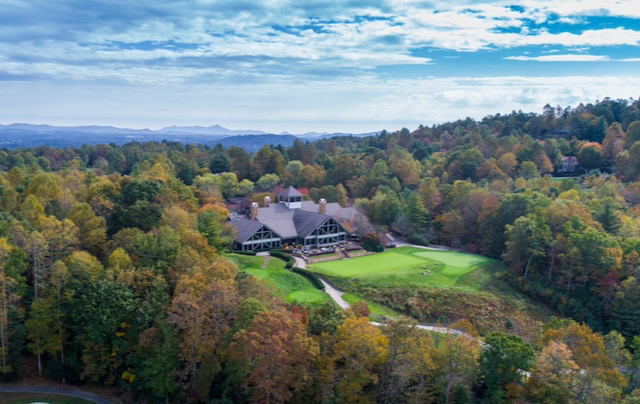 Champion Hills Clubhouse
The Community
Inventories of homes for sale are near a two-decade low in many southeast golf communities, but Champion Hills currently offers an array of residential options –- estate homes, low-maintenance cottages, lock-and-leave villas and a few remaining building lots. Lots for sale are priced from $50,000 to $300,000 and sized from one-half to 1 ½ acres. Move-in ready homes range from $500,000 to $3 million featuring golf course, mountain and wooded views.
In addition to the community, the surrounding area is a big draw for those who those in search of a mild, four-season climate and vibrant downtown. In 2020, Hendersonville was rated the No. 1 place to retire in North Carolina by the financial technology company SmartAsset. A few years prior, it was ranked the No. 1 “Great Unknown Place to Retire” USA Today. Suffice it to say, the word has gotten out.
Membership Options Expanded
Champion Hills offers full-equity and 12-month trial memberships. Both include full access to golf, dining, a wellness center, pool, spa and tennis courts. Most residents are either golf or social members. Full-golf members can enroll in the Troon Privé program which grants them access to 600 of the nation’s top private, resort and daily fee courses in the Troon network.
“Our members are well-traveled, and they appreciate being able to visit other parts of the country and play at other world-class facilities,” says General Manager Dana Schultz. “For our members who have homes elsewhere, Troon has a wide-variety of courses they can experience, often in proximity to their other seasonal residence.”
The big news coming out of the Champion Hills club this spring was the announcement of the “Equity 55” Membership, a full-golf membership designed for those age 55 and under. With Equity 55, Champion Hills’ $40,000 initiation fee is divided into four equal payments spread over four years and dues and replacement reserve fund contributions have been reduced by 50%.
“Equity 55 meets the upswell in demand by a younger demographic in search of both a club and community to call home,” says Schultz.
Whether your winter residence is in a place like Florida and you want to cool off in the summer, or if you are looking for a full-time residence in a mountain location, Champion Hills can elevate your golfing lifestyle.
For more information or an introduction to Champion Hills, contact the editor.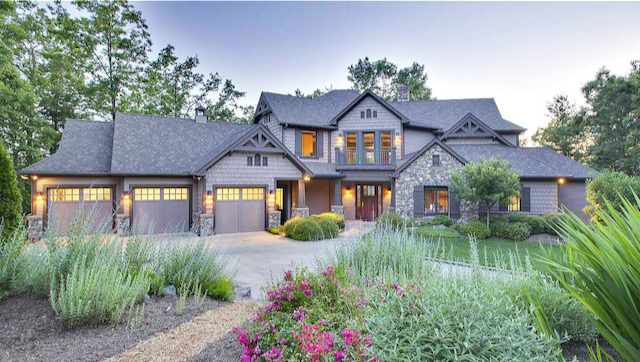 One of the luxury homes at Champion Hills
33-Year-Old Champion Hills Rides Market Wave
A Lot to Like…in Berkeley Hall
Oh No, Not Another Book
Good Reasons to Visit Golf Communities Now
Now on Sale

- The only book about golf communities in the last 10 years.
- 156-page step-by-step guide to finding your dream golf home.
- Info on nearly 100 golf communities the author has visited.
- Paperback version costs less than a sleeve of Pro VIs.
Here is what the experts are saying:
“The book is chocked full of information…applicable to anyone looking for a move to the Southeast regardless of whether they are looking for a golf community or not.” — John LaFoy, golf architect (Linville Ridge CC, CC of Charleston, The Neuse GC)
“Larry has done a tremendous amount of work and anyone — like me — who is looking to search for a golf home now or in a few years needs this book.” — Brad Chambers, golf blogger, ShootingYourAge.com
“Wow! What a thorough piece of work…a must for anyone moving South. This book will help many people.” — Brett Miller, owner and founder of MMA, Inc, a golf industry consultancy
Buy It Now at Amazon.com or BarnesandNoble.com.